
Wound care has evolved significantly over the past decades, shifting from basic protective coverings to advanced solutions that actively support healing. One such innovation that has gained widespread recognition in both clinical and home settings is the use of border foam dressing. Designed to combine absorption, protection, and convenience, this type of dressing plays a critical role in managing a wide range of wounds effectively. Understanding how it works and when to use it can make a substantial difference in recovery outcomes.
What Is a Border Foam Dressing?
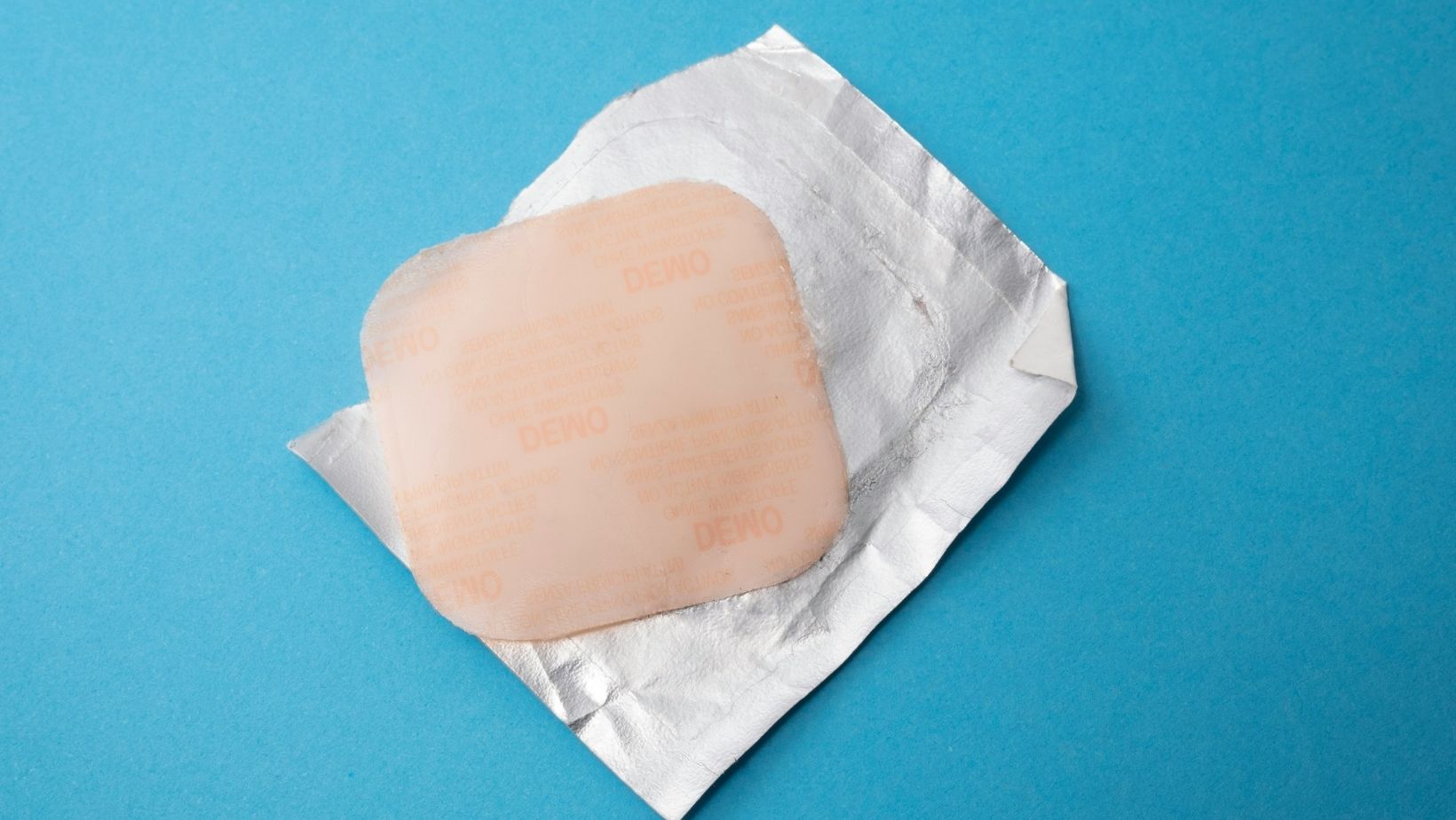
A border foam dressing is a multi-layered wound care product designed to maintain an optimal healing environment. It typically consists of:
- A soft, absorbent foam pad that manages wound exudate
- A semi-permeable backing that protects against external contaminants
- An adhesive border that secures the dressing in place without the need for additional tape or bandages
This all-in-one structure makes it particularly user-friendly, reducing the need for multiple wound care products and simplifying dressing changes.
How Border Foam Dressings Work
Healing a wound requires a delicate balance between moisture and protection. Border foam dressings are specifically engineered to create and maintain that balance.
Moisture Management
The foam layer absorbs excess exudate (fluid from the wound) while retaining enough moisture to promote tissue regeneration. This moist environment is essential because:
- It accelerates cell migration
- Reduces scab formation
- Minimizes scarring
Protection from Contamination
The outer layer acts as a barrier against bacteria, dirt, and other contaminants. At the same time, it allows oxygen and water vapor to pass through, preventing maceration (over-saturation of surrounding skin).
Secure Placement
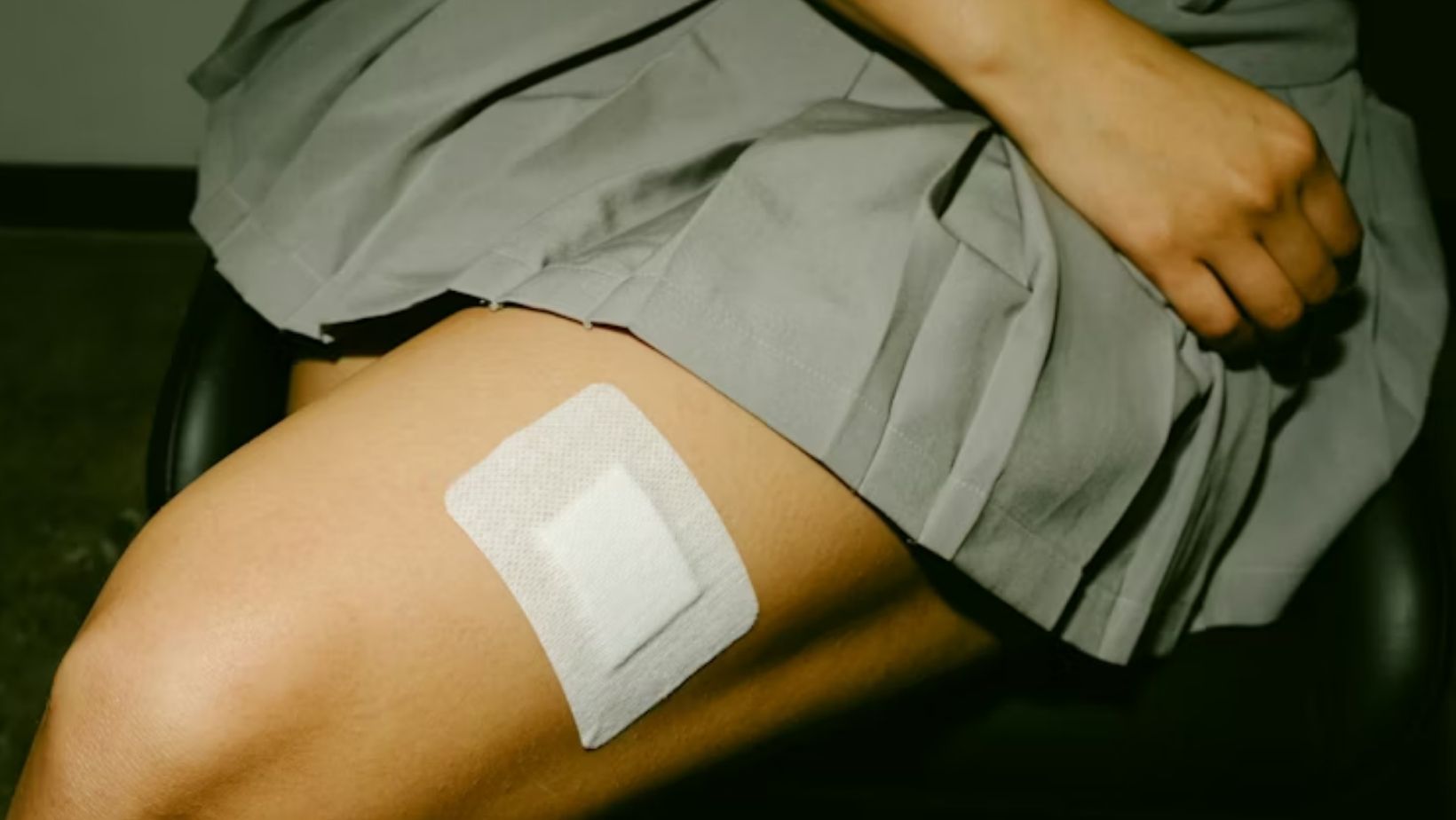
The adhesive border ensures the dressing stays in place even in areas prone to movement, such as joints. This stability reduces the frequency of dressing changes and minimizes disruption to the healing tissue.
Types of Wounds Suitable for Border Foam Dressings
Border foam dressings are highly versatile and can be used across a variety of wound types, including:
1. Pressure Ulcers
Common in individuals with limited mobility, pressure ulcers require consistent moisture management and protection. Foam dressings help reduce pressure while absorbing exudate.
2. Surgical Wounds
Post-operative wounds benefit from the sterile barrier and cushioning provided by foam dressings, which also reduce the risk of infection.
3. Diabetic Ulcers
For patients with diabetes, wound healing can be slow and complicated. Border foam dressings help maintain a stable environment that supports healing while minimizing complications.
4. Burns and Skin Tears
Superficial burns and fragile skin injuries require gentle handling. Foam dressings are non-traumatic upon removal, making them ideal for sensitive skin.
5. Chronic Wounds
Long-term wounds such as venous leg ulcers often produce moderate to heavy exudate. Foam dressings are particularly effective in managing these conditions.
Key Benefits of Using Border Foam Dressings
Enhanced Healing Speed
By maintaining optimal moisture levels, these dressings create an environment that accelerates the natural healing process.
Reduced Risk of Infection
The protective outer layer acts as a shield against harmful bacteria and environmental contaminants.
Comfort and Flexibility
Soft and conformable, border foam dressings adapt to body contours, providing comfort even during extended wear.
Ease of Use
The adhesive border eliminates the need for secondary fixation, making application and removal straightforward—even for non-professionals.
Fewer Dressing Changes
High absorbency means the dressing can stay in place longer, reducing both cost and inconvenience.
When Not to Use Border Foam Dressings
While highly effective, border foam dressings are not suitable for every type of wound.
Avoid using them in the following cases:
- Dry wounds with little to no exudate
- Heavily bleeding wounds that require immediate medical attention
- Deep cavity wounds where packing is necessary
- Infected wounds without proper medical supervision
Choosing the right dressing always depends on the specific characteristics of the wound.
How to Apply a Border Foam Dressing
Correct application is crucial for maximizing effectiveness. Follow these steps:
- Clean the Wound
Use a sterile saline solution or as directed by a healthcare professional. - Dry Surrounding Skin
Ensure the skin around the wound is dry to help the adhesive stick properly. - Select the Right Size
Choose a dressing that extends at least 1–2 cm beyond the wound edges. - Apply the Dressing
Remove the backing and gently place the dressing over the wound without stretching it. - Smooth the Edges
Press down the adhesive border to secure it in place. - Monitor and Change as Needed
Replace the dressing when it becomes saturated or as recommended.
Tips for Optimal Results
- Always wash hands before and after handling the dressing
- Avoid touching the inner surface of the dressing
- Check for signs of infection such as redness, swelling, or unusual discharge
- Consult a healthcare provider if healing does not progress
Consistency and proper hygiene are key to successful wound management.
Comparing Border Foam Dressings to Other Options
Gauze Dressings
While widely available and inexpensive, gauze lacks the moisture retention and absorption capabilities of foam dressings. It may also stick to the wound, causing pain during removal.
Hydrocolloid Dressings
Hydrocolloids are excellent for low-exudate wounds but may not handle moderate to heavy drainage as effectively as foam dressings.
Alginate Dressings
Derived from seaweed, alginate dressings are highly absorbent but often require a secondary dressing to stay in place, unlike border foam options.
Film Dressings
Transparent films provide protection but offer minimal absorption, making them unsuitable for exudative wounds.
Border foam dressings strike a balance between absorption, protection, and ease of use, making them a preferred choice in many scenarios.
Innovations in Foam Dressing Technology
Modern advancements have further enhanced the effectiveness of border foam dressings. Some of the latest features include:
- Antimicrobial layers infused with silver or other agents
- Silicone adhesives that reduce skin irritation
- Anatomically shaped designs for better fit
- Enhanced breathability for improved comfort
These innovations continue to expand the applications and benefits of foam-based wound care.
Cost vs. Value Consideration
Although border foam dressings may appear more expensive upfront compared to traditional options, they often provide better value in the long run. Their ability to:
- Reduce healing time
- Minimize complications
- Lower the frequency of dressing changes
can result in overall cost savings, especially in chronic wound management.
Home Care vs. Clinical Use
Border foam dressings are suitable for both professional healthcare settings and home use. Their simplicity makes them accessible for caregivers and patients alike, while their effectiveness meets clinical standards.
For home users, they offer:
- Ease of application
- Reduced need for frequent changes
- Increased comfort and mobility
For clinicians, they provide:
- Reliable performance
- Versatility across wound types
- Improved patient compliance
Environmental and Skin Considerations
Some modern dressings are designed with eco-friendly materials and skin-sensitive adhesives. This is particularly important for patients with:
- Allergies
- Fragile or aging skin
- Long-term wound care needs
Selecting a high-quality product can prevent additional complications such as skin irritation or breakdown.
Conclusion
Border foam dressings represent a significant advancement in wound care, offering a combination of absorption, protection, and convenience that few alternatives can match. Whether used in hospitals, clinics, or at home, they provide an effective solution for managing a wide variety of wounds.
By maintaining a moist healing environment, protecting against contamination, and reducing the need for frequent changes, these dressings not only improve healing outcomes but also enhance patient comfort and quality of life.
Choosing the right wound care product is essential, and understanding the role of border foam dressings can help ensure optimal recovery. As wound care technology continues to evolve, these dressings remain a cornerstone of modern treatment strategies.