
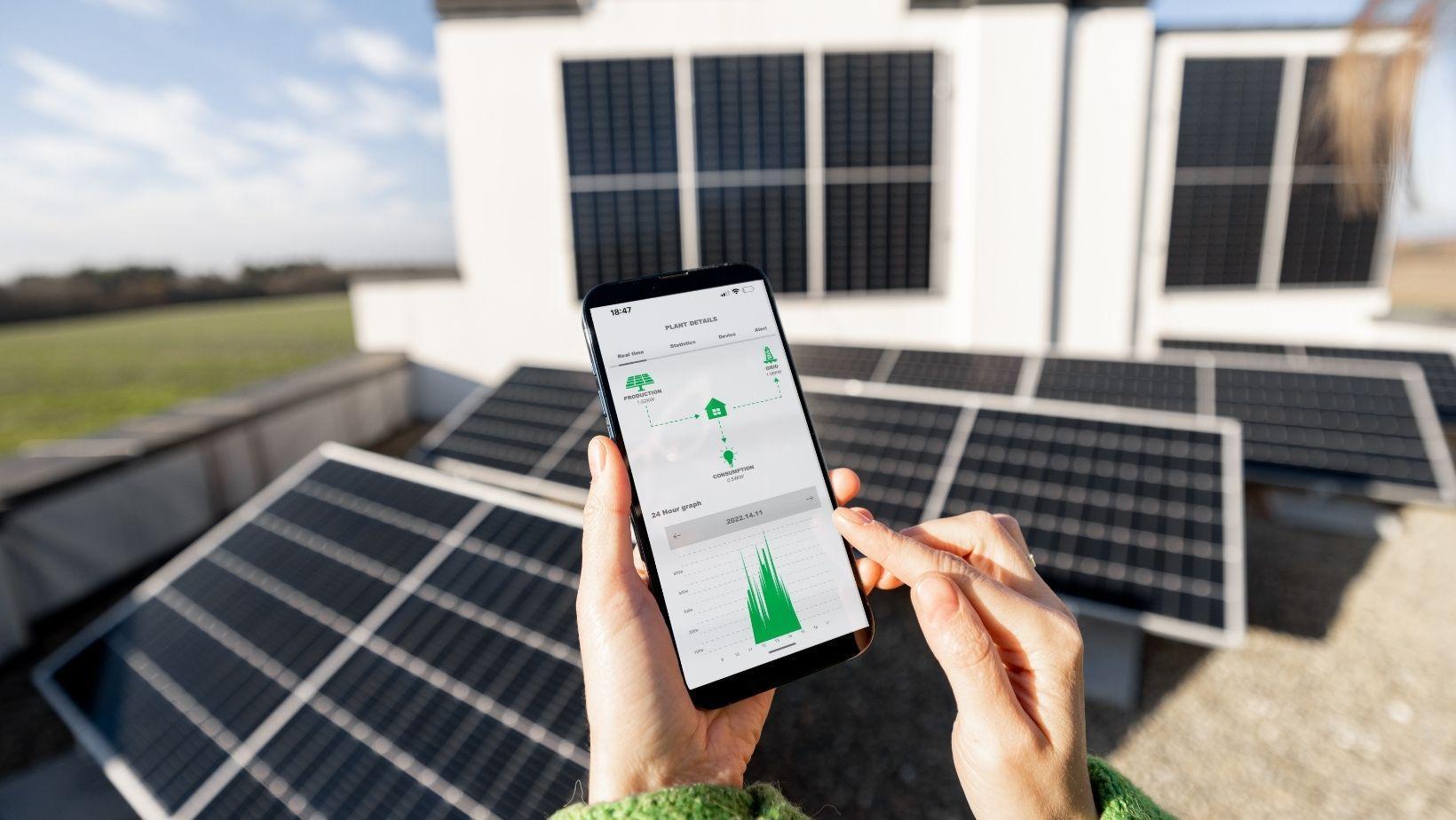

The Netherlands is one of Europe’s most solar-aware countries, and residential panel adoption keeps rising in both cities and suburbs. For Dutch households that already invest in rooftop solar, that power can do much more than run the fridge or washing machine. With the right setup, a home gym powered entirely by solar energy is a realistic option.
Table of Contents
ToggleUnderstanding the Energy Demands of Home Fitness Equipment
Before you size a solar system, it helps to know how much electricity your workout gear actually uses. Lights and fans are usually modest loads. A typical ceiling fan uses about 15 to 75 watts, and LED lighting in a dedicated exercise room will rarely go above 100 watts in total. The treadmill is usually the main power draw.
A mid-range home treadmill often pulls between 600 and 900 watts during regular use. It may also need a brief burst of extra power when the motor starts, and that startup surge matters when you are sizing an inverter. The type of treadmill matters too. Newer DC motor treadmills generally use less electricity than older AC motor models, so choosing efficient equipment can be just as important as choosing the right number of panels.
Sizing Your Solar System Correctly
The basic rule for sizing solar panels for off-grid use is simple. Take your daily watt-hour demand and divide it by your area’s average peak sun hours. In the Netherlands, average peak sun hours are usually around 2.5 to 3.5 per day, depending on the season. Because of that, Dutch homeowners often need more panel capacity than someone building the same system in southern Europe.
Since your energy use and your sunlight hours will not always line up neatly, adding a storage buffer of 20 to 30% above the minimum is a smart move. That extra margin becomes especially useful in a lower-irradiance climate like the Netherlands. For battery storage, lithium iron phosphate, or LiFePO4, is usually the best fit for a home setup because it offers longer cycle life and safer chemistry than older lead-acid batteries.
A practical starting point for a solar gym running a treadmill, two fans and full LED lighting would be:
Choosing the Right Inverter and Wiring Layout
The inverter is the core of any solar-powered AC system. For fitness equipment, a pure sine wave inverter is essential. Modified sine wave units can wear down motor-driven appliances over time and may even void the manufacturer’s warranty. Brands such as Victron Energy, which are widely used in Dutch off-grid and marine setups, offer dependable hybrid inverter-chargers that can draw from both solar and grid power when solar production dips.
Wiring should always be handled by a certified electrician who knows Dutch NEN 1010 standards. Battery banks need to sit in ventilated, fire-safe enclosures, and all DC wiring should use properly rated cable with correct fusing at every connection point. These are not optional upgrades. They are basic safety requirements.
Payments, Digital Platforms and How Dutch Consumers Manage Energy Costs
Building a solar gym takes upfront spending, and many Dutch households now use digital payment tools to manage costs with installers, equipment suppliers and service providers. iDEAL is still the leading online payment method in the Netherlands, and it is used across nearly every category of digital commerce. The same payment system that people use for solar equipment purchases also appears across entertainment platforms, including the iDEAL casino segment, where users fund accounts through the same familiar bank-linked checkout process. That consistency says a lot about how deeply iDEAL is woven into everyday digital life in the Netherlands.
Keeping the System Running Long-Term
Maintenance for a solar-powered home gym is fairly light, but it still matters. Panel output should be checked monthly, and battery state-of-health is worth reviewing each season. There is real value in thinking about energy and fitness working together as part of a bigger lifestyle system, not just the machines you use for exercise, but the energy setup that keeps them running in a sustainable way.
If you want to go further, it also helps to look beyond the gym. The ideas behind charging systems powered by renewable energy for electric vehicles overlap closely with home solar storage design, so they make a natural next step for anyone already building a renewable-powered home.
A solar-powered workout space is no longer a niche idea. For Dutch households already generating energy on the roof, it is a practical and rewarding extension of an investment they have already made.