

Table of Contents
ToggleWhy Healthy Circulation Matters More Than People Realize
Having a well-functioning circulatory system is one of the main pillars of a healthy body. When our circulation system begins to show signs of malfunctioning, most of us begin to panic and start searching for solutions to heal us. Our body’s circulatory system distributes oxygen, essential nutrients, hormones and cleans our bodies from harmful toxins and waste. Our body utilizes dynamic and effective circulation to help sustain energy to the body’s organs, support organ’s functionalities, help the body regulate temperature and even assist the body in the healing process.
Unfortunately, the modern way of living has had its unavoidably negative impacts on the circulatory system. With longer working hours, lifestyle diseases used to be employment-related, but are now sedentary lifestyle-related, due to a lack of physical activity, poor dietary choices, stress and sleep deprivation. Most people are beginning to notice the symptoms of poor circulation in the form of fatigue, cramping, swelling and numbness in the legs and lack of blood circulation to the hands and feet.
The positive aspect to circulatory dysfunction is that it can be healed relatively easily and affordably just by making a few habit changes. If the circulatory concerns are a result of complications and diseases, especially those that are medically or surgically manageable, direct medical care may be needed. However, the majority of circulation-related symptoms can be resolved by making healthy lifestyle changes to promote optimal blood circulation and vascular health.
Basics of the Circulatory System
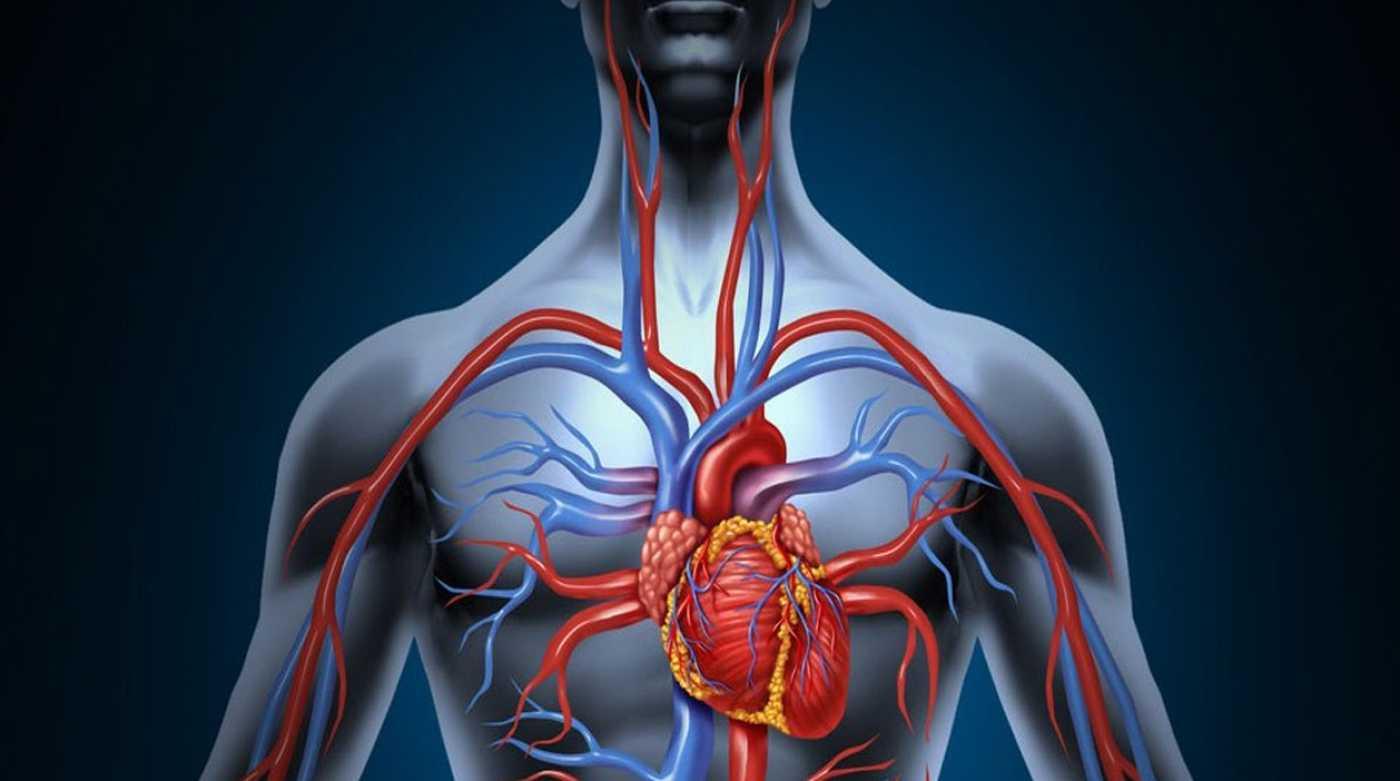
The circulatory system consists of the heart, major blood vessels and capillaries. Arteries and major blood vessels transport oxygen-rich blood from the heart, while the veins carry oxygen-poor blood back to the heart to be reoxygenated. This cycle continuously serves and supplies the body’s tissues and organs.
Veins in the legs need to work against gravity when circulating blood back to the heart. To achieve this, veins use small, unidirectional valves. They also use muscle tissue around them. If these valves wear out, or if circulation gets sluggish, blood can pool, causing visible problems with veins and discomfort.
Cardiovascular fitness, the flexibility of blood vessels, hydration, and regular movement can all impact healthy circulation. Even the smallest daily habits can impact blood circulation.
Prolonged periods of inactivity can negatively impact blood circulation. Sitting down has become one of the main causes of blood circulation problems. Many people spend the majority of their day sitting down at desks, in cars, or using digital devices. Even though a healthy body craves movement, modern-day habits actually limit movement.
With inactivity, circulation slows. Blood flow to the legs can become inefficient and cause a greater strain on the veins. This can eventually lead to swelling, discomfort, and negatively impact healthy circulation.
Long periods of inactivity can cause poor posture, and in the case of the modern-day worker, leg stiffness and discomfort due to restricted circulation.
This doesn’t have to be solved with intense daily workouts. Short breaks featuring movement can greatly improve blood circulation and lessen strain on veins.
Walking — Boost Circulation Simplistically
One of the easiest, most effective ways to create a healthy vascular system is through walking. With every step, the calf muscles act as a pump and push the blood up through the system.
Walking on a regular basis improves the heart, the vessels that carry the blood and air to every part of the body, and it helps replenish and reinvigorate energy levels. The introduction of a short, even brisk, walk on a consistent basis can alter circulation and energy levels.
Movement through the day is preferred over just structured workouts by many exercise experts. The use of stairs as opposed to elevators or short evening walks can help create movement without altering lifestyle.
Circulation can be as much about consistent movement as it can about high impact workouts.
Hydration improves circulation
Hydration is a major player in the circulation of blood. Since blood, on a largely cellular level, is mostly water, the extra thickness is a great hindrance to the efficiency of blood circulation.
The heart must work almost twice as hard to move this viscous liquid mass throughout the system. Fatigue is almost guaranteed, blood circulation and the delivery of nutrients to the cells also becomes a more tedious process.
The water one drinks must keep the blood flowing and promote better circulation. It must also assist the body in regulating temperature especially under harsh conditions and especially during the delivery of nutrients.
Nutrition and Vascular Wellness
Daily food selection can greatly affect circulation and blood vessel function. Diets that contain lots of processed foods, excess sodium, and unhealthy fats can lead to inflammation of blood vessels and poor vascular health.
Conversely, nutrient-rich foods help support circulation. Fruits, vegetables, whole grains, lean proteins, and healthy fats contain antioxidants and nutrients that strengthen blood vessels and promote heart health.
Foods high in omega-3 fatty acids, such as salmon and walnuts, may reduce inflammation and yield healthy blood flow. Leafy greens are high in nitrates which help blood vessels relax, and citrus fruits contain vitamin C and help with collagen production, which aids vascular structure and health.
Nutrition and circulation are linked. Balanced nutrition also promotes energy and aids recovery.
The Role of Sleep in Circulation Health
Sleep is another essential but often underestimated component of healthy circulation. Sleep is when balance is restored and cardiovascular health is maintained.
Poor sleep is linked with increased inflammation, high blood pressure and low function of blood vessels. Constant sleep deprivation can lead to serious health concerns and additional stress on the circulatory system.
The development of healthy sleep patterns greatly aids both circulation and health. Being consistent with bedtimes, lowering screen exposure before bed, and creating a restful environment aids recovery and healthy blood flow.
Stress and the Circulatory System
Stress causes the body to go through changes. When the body is stressed, hormones like cortisol and adrenaline will start being released. These hormones will constrict blood vessels and increase the body’s heart rate.
Having brief periods of stress is generally not problematic, but chronic stress can start to have extensive problems on the cardiovascular system. This can include stress causing decreased blood circulation, chronic inflammation, and increased blood pressure.
There are many activities that can help to relax the body and help improve circulation. Mindfulness practices, various forms of breathing exercises, and stretching are great ways to reduce stress. Being in nature can help to relax the body and mind as well.
Compression
Some people work long hours of being on their feet and some work long hours of being sedentary and both can lead to poor circulation. Working in a standing capacity and working in a sedentary capacity can both lead to poor circulation. For both types of working, compression socks or stockings can help to improve blood return to the heart. These stockings work by causing gentle and steady pressure on the legs.
Compression stockings can help to reduce the feeling of heaviness in the leg and help circulation. Compression stockings are frequently used by travelers, office workers, and health care professionals. For some people, it may indicate chronic venous insufficiency. It may be a good idea to schedule a visit to Vein Specialists in Cypress if you’re experiencing chronic symptoms.
Weight Management and Blood Flow
Being at a healthy weight lessens the load on your heart and blood vessels, improving circulation. Too much weight adds strain to the vascular system, and the lower body can be vascularly challenged as the veins work against the force of gravity.
Having less weight on the body can help the veins in the lower body and improve the overall efficiency of body circulation. Maintaining a healthy weight and supporting your vascular system can be achieved through the combination of exercise, balanced diet, and weight management.
Weight management should focus on the small changes in your daily habits that will have lasting improvements, instead of crash diets or extreme weight loss goals.
The Importance of Stretching and Flexibility
Stretching can help circulation due to muscle flexibility, as it increases blood flow to various areas of the body. Muscles that are too tight can make blood circulation ineffective and inefficient, particularly with prolonged sitting.
Using mild stretching can help reduce stiffness and lower movement injuries. Stretching can improve blood circulation, along with breathing and relaxation techniques. These activities promote circulation and posture.
Building Sustainable Habits for Long-Term Wellness
To have a healthy vascular system, the most important aspect is to have a constant routine. Having sustainable daily small habits is more effective over the long term than having a strenuous one-time healthy habit. Sustainable habits can lessen the stress on the system and keep a healthy routine.
Improving your circulation doesn’t necessitate drastic lifestyle changes. Even the smallest of changes, such as standing more, drinking more water, taking short walks, establishing better sleeping patterns, and practicing stress management are all individually small and manageable changes that may seem trivial. However, all of these together provide improvement of your circulation over time.
The most important thing is to create a routine that is simplistic and easy to maintain long term.
Lasting Benefits of Small Changes
Healthy circulation is central to every single function within your body. Your circulation is what impacts your overall health and wellness, your cardiovascular health, and even your body’s ability to recover and produce energy. Circulation issues develop over time, however there are many risks that are caused by everyday choices and behaviors.
Walking, drinking more water, nutrient dense foods, better sleep, and stress management are all individually small and manageable actions. These actions all improve both your circulation and the function of your blood and vascular systems. While individually, these daily habits may seem small, they collectively have a huge impact on your long term health.
As the world becomes more health and wellness aware, preventative health measures have become mainstream. This is especially true when it comes to circulation. Beyond the prevention of illness, it is vital to maintain quality of life and overall comfort and function for many years to come.