
Internal links are possible if they refer to a non-competitive article.
Table of Contents
ToggleWhy compression socks feel amazing for some people and awful for others
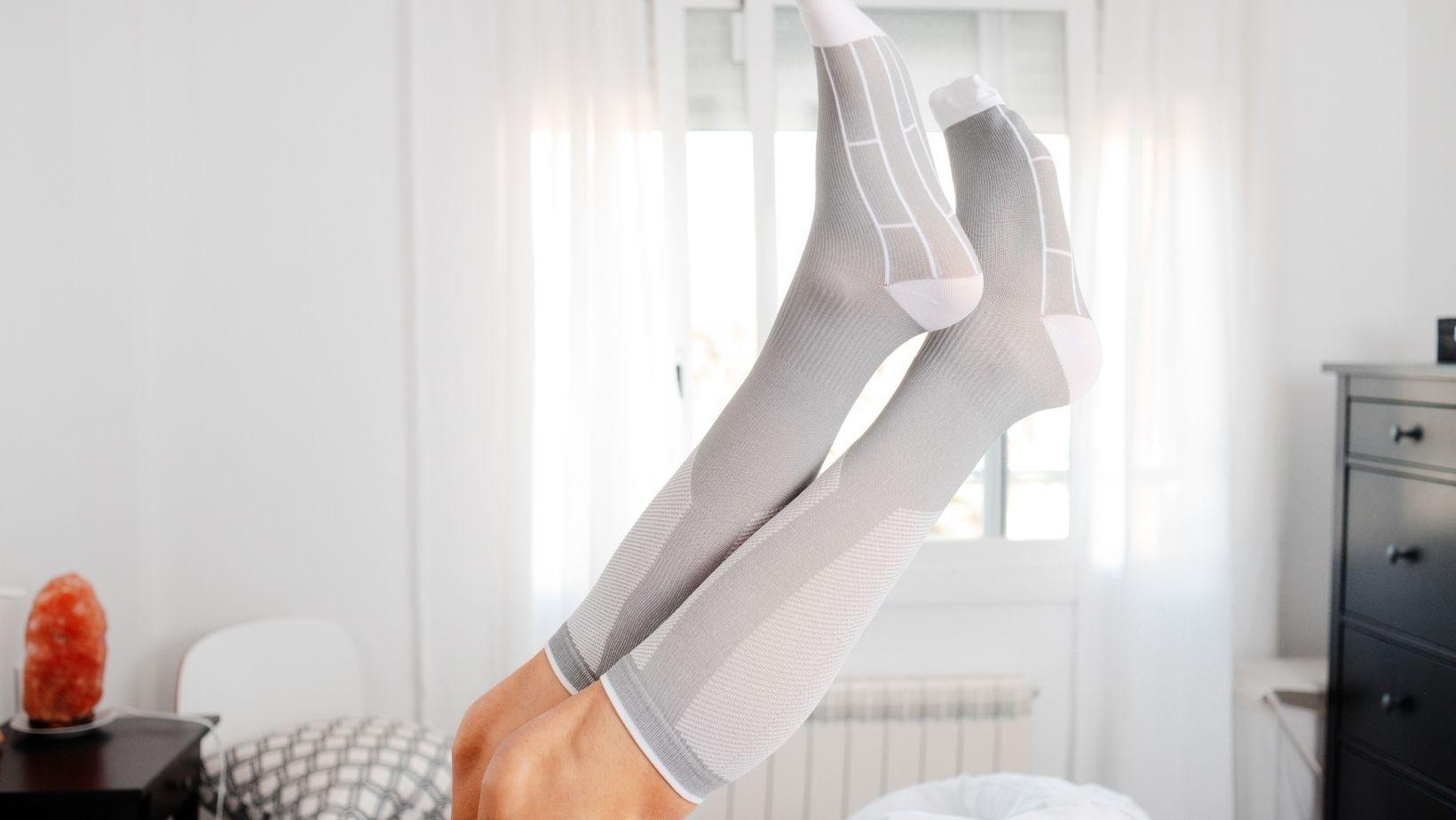
Compression socks can be a quiet game-changer on days when your legs feel heavy, restless, or “puffy” by late afternoon. They are often used by runners, frequent flyers, shift workers, and anyone who spends long stretches standing or sitting. Still, the same pair that makes one person feel springy can make another feel squeezed, overheated, or ready to peel them off by lunch.
The difference usually comes down to three things: the amount of compression, the shape and sizing, and the fabric feel. When those line up with your body and your day, compression feels supportive, like a gentle “lift” from ankle to calf. When they don’t, you notice every seam, every tight band, and every warm patch behind the knee.
Start with your “use case,” not the marketing claims
Before you look at styles or colours, pin down when you will wear them and what you want them to do. A desk day has a different demand than a long run, and travel days come with their own mix of swelling, dehydration, and cramped seating.
Common situations and what to look for
Long sitting (office, driving, gaming, study): Prioritise comfort, breathability, and a smooth cuff that does not dig in. Mild to moderate compression is usually the sweet spot for all-day wear.
Standing work (retail, healthcare, events): Look for consistent support through the calf and a heel that stays put. Cushioning under the foot can help if you are on hard floors.
Training and recovery: Runners often like a secure fit that does not slide when you sweat. After training, some prefer a slightly more noticeable “hug” to reduce that heavy, post-session feeling.
Travel: Comfort becomes everything. You want socks that are easy to get on, do not overheat, and do not leave a harsh line at the top when you land.
Compression levels and what “mmHg” really means in daily life
Compression is typically described in mmHg, a unit that indicates pressure. In plain terms, higher numbers mean more squeeze. The best choice is the one you will actually wear, because consistency matters more than chasing the strongest option.
A practical rule of thumb
Mild compression: Often chosen for everyday comfort, minor swelling, and long sitting. Many first-time wearers start here.
Moderate compression: A popular middle ground for travel, standing jobs, and sporty routines when you want a clear supportive feel without it being too intense.
Higher compression: Commonly used under medical guidance for specific circulation concerns. If you are unsure, it is sensible to check with a clinician, especially if you have diabetes, arterial disease, neuropathy, or a history of blood clots.
Fit is the deal-breaker: measure like you mean it
Most “bad compression sock” stories are really sizing stories. People guess their size from shoe size alone, then wonder why the cuff rolls, the ankle bunches, or the calf feels like it is in a vice. If you only do one thing, measure your ankle and calf when your legs are least swollen, which is usually in the morning.
How to measure for a better match
Ankle circumference: Measure at the narrowest point above the ankle bone. This area is crucial because it anchors the graduated compression.
Calf circumference: Measure the widest part of your calf. If you are between sizes, do not automatically size down. “Tighter” is not the same as “better,” especially for all-day comfort.
Leg length: If you are tall or shorter than average, length matters. A sock that is too short can pull down and create pressure points, while one that is too long can bunch behind the knee.
Materials and knit details that change how they feel at hour six
The first five minutes can be misleading. A sock can feel great initially and then turn clammy, itchy, or restrictive later. Fabric and construction determine whether they stay comfortable through the afternoon coffee run, the commute home, and the evening dog walk.
What to scan for in the description
Breathability: Look for moisture-wicking fibres and vented knit zones if you run warm or plan to wear them in trainers.
Soft seams: Toe seams and heel construction matter more than you would expect, especially if you have sensitive skin.
A cuff that behaves: The top band should sit flat without rolling. Rolling creates a tight ring and is one of the fastest routes to discomfort.
Footbed comfort: If you walk a lot, a little cushioning under the forefoot and heel can be the difference between “supportive” and “I cannot wait to take these off.”
How to put them on without the daily wrestling match
Putting on compression socks gets easier with a simple routine. The trick is to avoid yanking from the top, which can overstretch the cuff and twist the fabric.
A quick, reliable method
Turn the sock inside out down to the heel, place your foot in so the heel sits correctly, then roll the sock up your ankle and calf in sections. Smooth the fabric as you go. If you are tugging hard, it is a sign the size or compression level may be wrong for you, or your legs are more swollen than usual. On days like that, putting them on first thing in the morning can feel dramatically easier.
Picking a style that suits your wardrobe and your habits
Compression socks are easier to wear consistently when they fit your actual life. If you hate knee-highs under jeans, you will avoid them. If you need them for flights but find bright patterns too loud for your workday, you will “forget” them at home.
Some people keep a small rotation: a pair that looks polished with trousers, a sportier pair for training, and a “soft comfort” pair for travel days. If you are comparing options and want a sense of what modern designs look like, you can explore STOX as one example of a compression-focused range.
Comfort checks: what “good compression” should feel like
Use your body as the final judge. A well-fitting sock should feel supportive and secure, not painful. Over the first week, pay attention to patterns rather than one-off impressions.
Green flags
Your feet and lower legs feel lighter at the end of the day, the sock stays in place without constant pulling up, and you do not see deep grooves or angry red lines that linger for hours.
Red flags
Numbness, tingling, sharp pressure at the cuff, toes that feel cold, or pain that builds as the day goes on are all signs to stop and reassess. It may be the size, the compression level, or a mismatch between the sock shape and your calf. If symptoms persist, it is worth getting medical advice rather than trying to “push through.”
Notes for men: sizing, calf shape, and everyday styling
Men often run into a practical issue: shoe size can be straightforward, but calf shape varies wildly, especially if you cycle, play football, or lift. Measuring calf circumference becomes even more important, because a sock that is perfect through the foot can still feel too tight up top.
If you are looking for a men’s-specific selection to compare fits and aesthetics, compression socks for men can be a useful reference point. For styling, darker solids tend to disappear under chinos or suit trousers, while sport designs pair easily with shorts and trainers without looking like medical gear.
Care tips that keep the support feeling consistent
Compression socks rely on elasticity, so care matters. Wash them according to the label, avoid high heat when drying, and do not use fabric softener if the fabric is designed to wick moisture. If you wear them frequently, rotating pairs helps them recover their shape between uses. A simple habit is to replace pairs that start sliding down or feel uneven, because that is often the first sign the compression is no longer performing as intended.