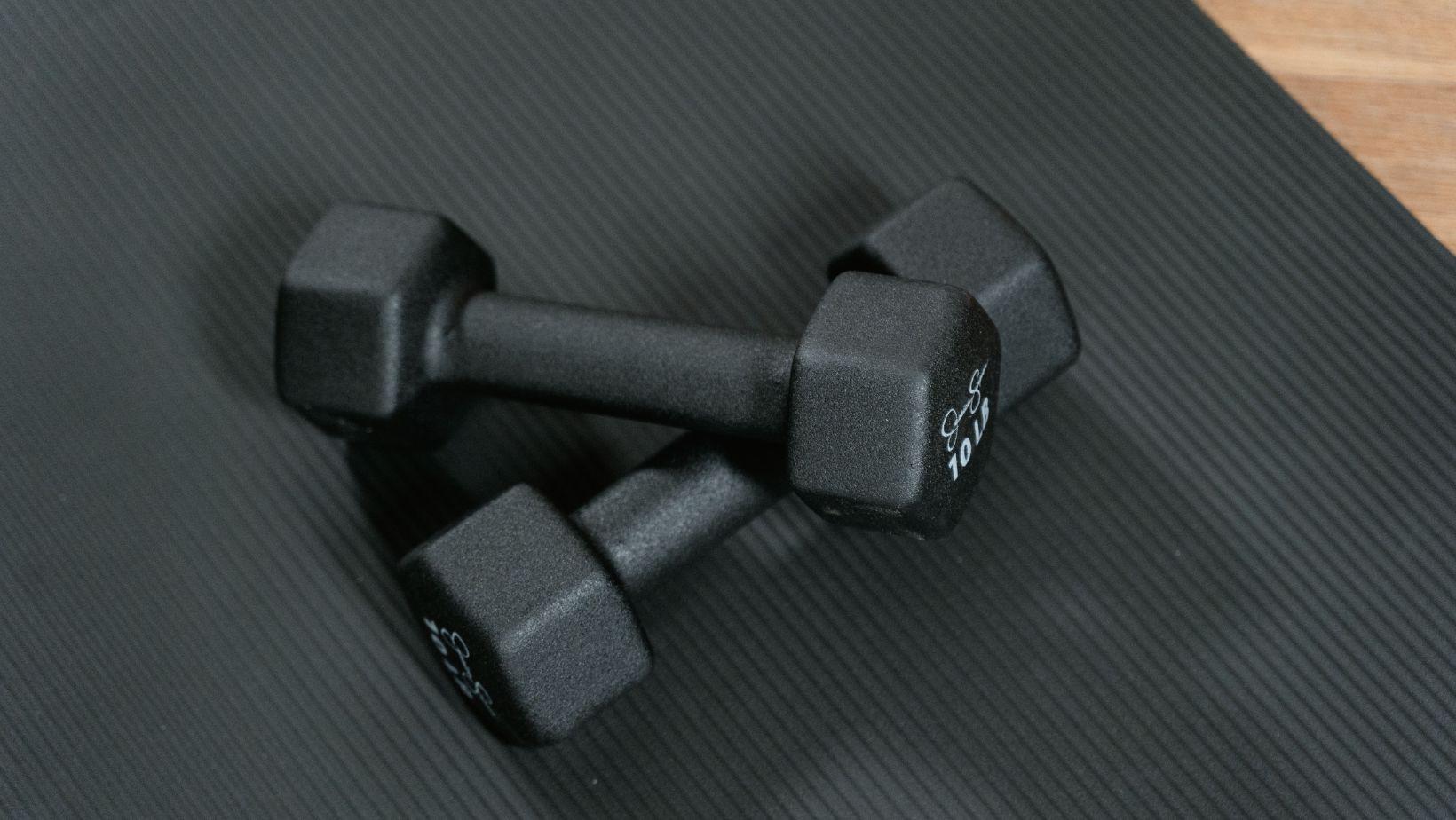


Energy is no longer just about how much weight can be lifted or how fast a mile can be run. In today’s fast-paced world, true energy reflects a balance between physical strength, mental clarity, and emotional resilience. People are beginning to understand that pushing harder is not always the answer. Instead, sustainable energy comes from knowing when to pause, reset, and recharge.
This shift is especially important in a culture that often glorifies constant productivity. Whether managing a demanding career, staying consistent with fitness goals, or balancing family life, energy has become a resource that needs to be managed intentionally. The conversation is evolving from “How much can be done?” to “How well can it be sustained?”
Table of Contents
ToggleWhy Recovery Matters More Than Ever
Recovery is no longer seen as a passive activity. It is now an essential part of performance. Without proper recovery, the body and mind can quickly reach burnout, reducing both productivity and overall well-being.
Physical recovery helps repair muscles, reduce inflammation, and restore energy levels. Mental recovery, on the other hand, allows the brain to reset, improving focus and decision-making. When both are aligned, individuals are better equipped to handle challenges, both inside and outside the gym.
Ignoring recovery can lead to fatigue, decreased motivation, and even long-term health issues. By prioritizing recovery, people are not stepping back—they are setting themselves up to move forward more effectively.
Expanding Beyond Traditional Fitness
For many years, fitness routines focused heavily on exercise intensity. While workouts remain important, they are just one piece of the puzzle. Today, people are exploring new ways to support their energy levels beyond traditional training.
Activities such as yoga, breathwork, and stretching have gained popularity for their ability to calm the nervous system while improving physical flexibility. Outdoor walks, mindfulness practices, and even creative hobbies are being recognized as valuable tools for maintaining energy.
These activities may not feel as intense as a workout, but they play a crucial role in creating balance. They help reduce stress, improve mood, and enhance overall well-being. In many cases, they are what allow individuals to perform better when it matters most.
The Role Of Mental Clarity In Energy
Mental fatigue can be just as limiting as physical exhaustion. Long hours, constant notifications, and the pressure to stay connected can drain focus and clarity. As a result, even simple tasks can feel overwhelming.
To counter this, many people are incorporating mental recovery techniques into their daily routines. Practices such as meditation, journaling, and digital detoxing are becoming essential for maintaining cognitive performance.
These habits create space for the mind to rest and reset. Over time, they can improve concentration, reduce stress, and enhance creativity. When mental clarity is prioritized, energy becomes more stable and easier to manage throughout the day.
Nutrition As A Foundation For Energy
What is consumed daily has a direct impact on energy levels. Balanced nutrition provides the fuel needed for both physical activity and mental performance. Without it, even the best routines can fall short.
Whole foods, proper hydration, and consistent meal timing all contribute to sustained energy. Nutrient-dense options help prevent crashes and keep the body functioning efficiently. At the same time, being mindful of how different foods affect mood and focus can make a significant difference.
Rather than following restrictive diets, many individuals are focusing on creating sustainable eating habits. This approach supports long-term health while making it easier to maintain consistent energy.
Modern Tools For Relaxation And Balance
As wellness continues to evolve, new tools and products are emerging to support relaxation and recovery. These solutions are designed to complement healthy habits, offering additional ways to unwind and recharge.
Some individuals are exploring options available through platforms like mood.com as part of a broader wellness routine focused on balance and relaxation. When used thoughtfully, these types of products can contribute to a more personalized approach to recovery and stress management.
The key is to view these tools as part of a bigger picture. They are most effective when combined with healthy lifestyle practices such as proper sleep, nutrition, and regular movement.
Sleep As The Ultimate Recharge
Sleep remains one of the most powerful ways to restore energy. Despite its importance, it is often overlooked or sacrificed in busy schedules. However, consistent, high-quality sleep is essential for both physical and mental recovery.
During sleep, the body repairs tissues, consolidates memories, and regulates hormones. Without enough rest, performance declines, and energy levels drop. Over time, this can affect everything from mood to immune function.
Creating a sleep-friendly environment, maintaining a consistent schedule, and limiting screen time before bed can all improve sleep quality. These small changes can have a significant impact on overall energy and well-being.
Building A Personalized Energy Strategy
There is no one-size-fits-all approach to energy management. Each person has different needs, routines, and stressors. The key is to identify what works best on an individual level.
This may involve experimenting with different recovery techniques, adjusting daily habits, or setting clearer boundaries between work and rest. Tracking how certain activities impact energy levels can also provide valuable insights.
Over time, these adjustments create a more sustainable rhythm. Instead of constantly pushing through fatigue, individuals can operate at a level that feels both productive and balanced.
The Future Of Energy And Wellness
The way people think about energy is changing. It is no longer just about output—it is about sustainability. As awareness continues to grow, more individuals are embracing a holistic approach that includes physical activity, mental well-being, and intentional recovery.
This shift is empowering. It allows people to take control of their energy in a way that supports long-term success rather than short-term gains. By focusing on balance, individuals can achieve more while feeling better in the process.
Conclusion
Energy goes far beyond what happens in the gym. It is shaped by daily habits, mental clarity, and the ability to recover effectively. By exploring new ways to recharge, individuals can create a more balanced and sustainable approach to performance.
Whether through mindful movement, better sleep, improved nutrition, or modern wellness tools, the goal remains the same: to feel energized, focused, and ready for whatever comes next.