
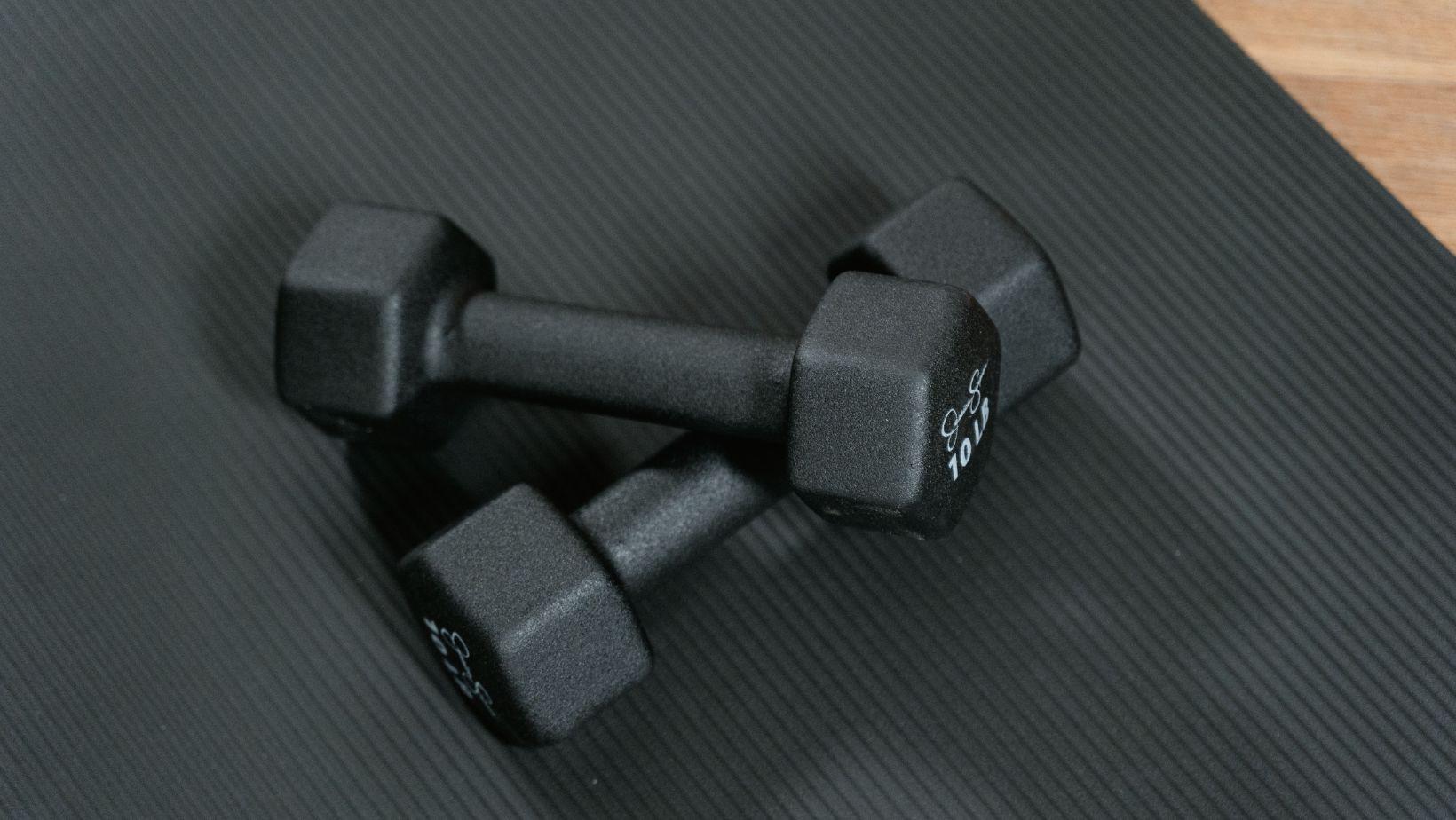

There are few fitter athletes in the world of sport than horse racing jockeys. Athletes that compete at the highest level of the equine sport must be in peak fitness condition throughout the year, unlike many other sports that have off-season breaks in order to help bodies recover from the strains of physical competition.
Therefore, there are few more informative fitness tips to follow than those handed out by jockeys, whether you’re looking to put on muscle or lose a couple of pounds.
World-class jockeys are typically those that stick to the most strict fitness program, and those are readily selected by bettors when making bets on the horse racing after claiming the welcome offer here: https://www.twinspires.com/promotions/
But, what are some of the key fitness tips that jockeys follow, and why is it to important for riders to maintain a strict plan?
Table of Contents
ToggleWhy is Fitness so Important for Jockeys?
A healthy diet and tailored fitness plan is vitally important for jockeys due to the strict demands that focus around weight in the sport. There are legal limits for weight that all riders must adhere to, and weighing in over or below the requirement could see horses disqualified, resulting in a loss of earnings.
Failure to be at the correct weight could also result in a negative performance from a horse, as equines will carry an assigned weight to ensure fair competition. Therefore, a jockey carrying a few extra pounds could be hugely detrimental to a runner’s chances, especially in flat racing.
Maintaining a fitness plan is also essential, as it helps riders to maintain strength. This is vitally important, as a rider will need to be at their peak physical condition in order to control a 1,000-pound animal at high speeds.
Exercise Tips Followed By Jockeys
Professional jockeys will follow very carefully curated exercise plans throughout the season, with each ensuring that vital muscle groups for racing are trained. This will largely revolve around training lower body and leg muscles, with a strong core being very important to ensure that riders have the balance to sit on a fast travelling thoroughbred.
Popular exercises during a gym session include split squats, which will help build single-leg lower body strength, as well as improving balance and co-ordination.
Depth push ups are also an incredibly popular exercise among jockeys, as these will improve upper-body pressing power, which simulates a mid-race position on a horse. Singe-leg hamstring movements are also popular among riders to strengthen the posterior chain, which will improve stability in the saddle. Isometric holds are also important exercises for riders, with a holding plank being a popular activity to build the endurance required to set on horse back for a prolonged period of time.
Core Body Workouts Important For Riders
A strong core is required for any person that is going to sit and ride a horse, but this is especially the case for riders competing at the highest level in horse racing.
The core muscle groups ensure that a jockey can sit still on their mount at speeds of up to 30 mph, as any potential movement from a rider could light up a runner mid-race, which could be damaging to their chances of achieving the best finishing position.
Popular exercises to improve the core include sit ups, holding squats, and crunches. All of which will strength the muscles in the stomach area of jockeys, ensuring that they are primed for competition at the highest level. Each exercise will revolve around sets, with the movement being held for up to two minutes and then repeated in sets of three.
Healthy Diet Key to Maintaining Weight
With an importance of maintaining a strict riding weight, there is extra significance on jockeys when it comes to the diet of a professional jockey. All riders will have a high protein, low carb plan, which priorities lean meats and fish such as salmon and chicken over red meats such as steak.
Jockeys will also need to be controlled when it comes to portion and calorie intake, especially during busier times of the season when the meetings come thick and fast. Riders will need to follow strict meal plans, consisting of three controlled meals and light snacks.
Meanwhile, they will also need to emphasis hydration, ensuring that plenty of water and tea is consumed throughout a day. Strategic fuelling is also common among riders, ensuring that they will eat light energy sources such as porridge and fruit protein shakes at least an hour before big races.
This doesn’t mean that riders can’t enjoy sweet treats, as many will consume sugary sweets during race days to ensure that they have the required energy to compete at their highest level. However, strict measures must be followed to ensure that correct riding weights can be achieved, meaning that most riders avoid takeaways and drinking alcohol throughout the season.