
Keeping your skin calm after a cosmetic appointment feels like its own small ritual. You leave the clinic with that mix of excitement and caution. You want the glow, the softness, the smoother lines. You also don’t want to do anything that might undo the moment you just invested in. So the hours right after your visit tend to shape how everything settles. People rarely talk about that part. The quiet phase. The part where small choices make a real difference.
That is where most questions start appearing. Can you wash your face? Should you put makeup on? What about the gym? And why does your skin sometimes feel a bit tighter or warmer than usual? That softer awareness you feel in those first twenty-four hours is normal. Your skin is simply responding to something new.
Here’s a guide that walks through realistic, everyday aftercare. Nothing complicated. Just what fits into normal life while still helping your results last longer and look smoother.
The First Few Hours: Where Everything Begins
Right after a treatment, your skin tends to behave differently. Not dramatically. Just slightly more reactive. You may notice tiny bumps that settle within minutes or mild warmth around the treated area. That early period usually sets the tone. Most practitioners advise leaving your skin alone, at least for a few hours. Even gentle touching can push products into places you don’t want or create unevenness that didn’t exist before.
Some people feel tempted to check constantly in the mirror. That close inspection often creates more worry than clarity. Your face needs a bit of stillness during this window. No massaging, no rubbing, no leaning on hands. Just going about your day at a relaxed pace.
One Thing People Often Forget: Movement Matters
Not exercise. Just posture. The way you hold your head. The way you sleep that first night. These small habits carry their own influence. Staying upright for a few hours helps everything settle in its natural direction. Lying down too soon can make areas feel puffy or tender. Side-sleepers usually struggle with this the most. A good trick is simply sitting up in bed with pillows and letting your body unwind without pressure on your cheeks or forehead.
Your Skin Isn’t Fragile, But It Is More Sensitive Than Usual

This stage often catches people off guard. Your skin isn’t damaged. It simply behaves differently for a short period. Products that normally feel fine might sting. Sweat might irritate more than expected. The barrier is working, but it wants a quieter environment.
This is where gentle routines step into the picture. Plain cleanser. Soft towels. Lukewarm water. Nothing that promises miracles or dramatic resurfacing. Just calm habits that let the skin settle.
A Short List of Things That Usually Help
Here is a simple list that often makes the first day easier. Not everything applies to every treatment, but the general idea stays steady:
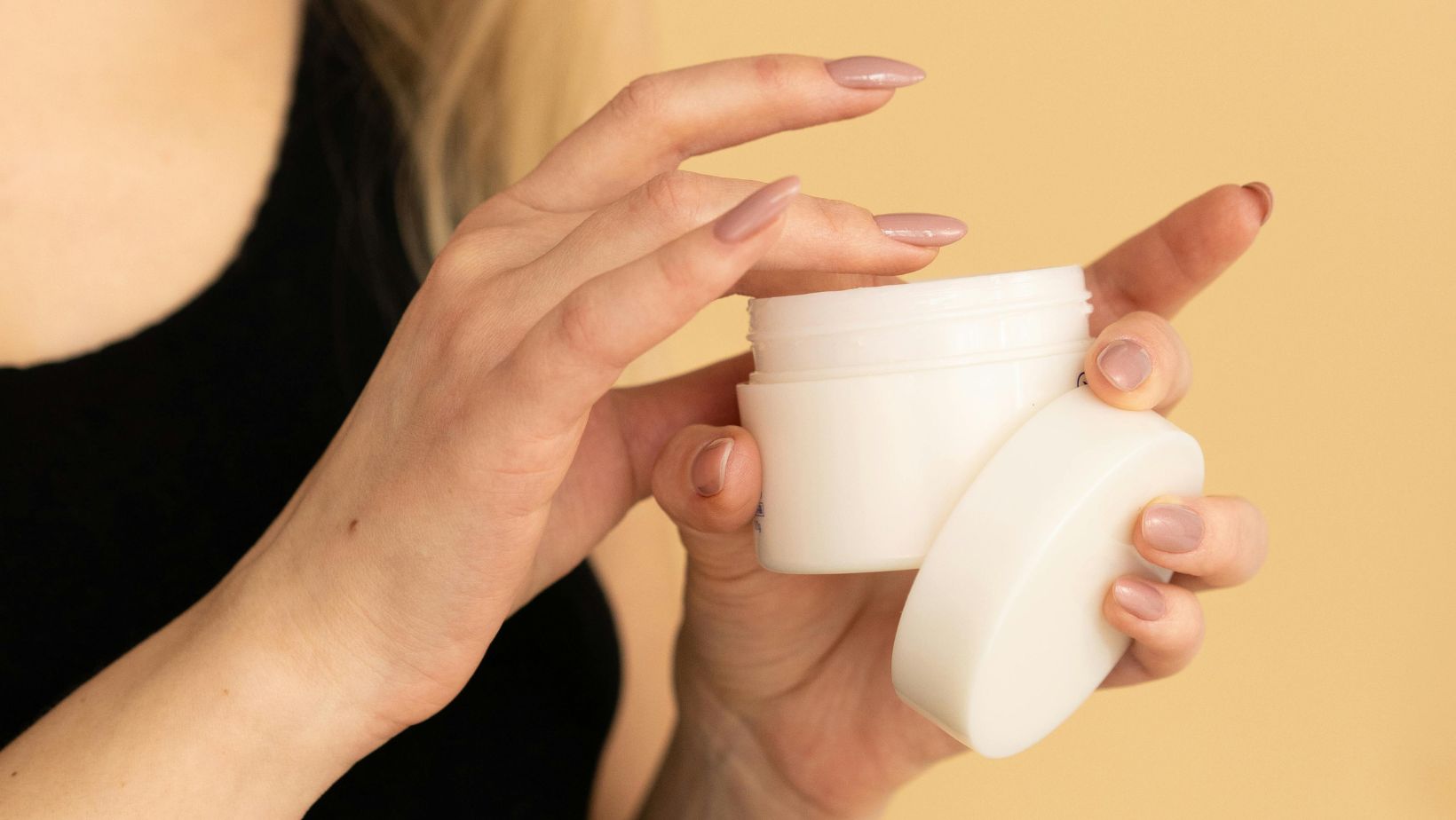
- Light skincare only: gentle cleanser, plain moisturiser, maybe a simple soothing serum.
- Keep the area clean and avoid makeup for several hours, especially if the skin was punctured.
- Skip anything that heats the skin: gym, sauna, hot yoga, long showers.
These aren’t strict rules. Think of them as guidelines that give your skin a quieter space while it adapts.
The First Night: Where Patience Pays Off
People notice two types of reactions during the first night. Either nothing at all or very tiny changes that fade quickly. Both are normal. If there is minor swelling, a cool compress often brings comfort. Not ice directly on the skin, just a soft cloth cooled in the fridge.
Sleep becomes important here. Your usual sleeping positions might not be ideal. Even slight pressure can reshape tenderness into temporary unevenness. If you can manage that upright, supported posture for a night, it usually helps.
The Next Morning: When Curiosity Hits
This is the moment most people stare into the mirror again. Soft swelling often goes down by morning. Skin tone looks more even. Some people expect dramatic results right away, while others imagine something went wrong because nothing looks different yet. Neither reaction reflects reality. Many treatments reveal themselves slowly. Hours, days or even weeks depending on what you had done.
During this phase, stick to light routines. A mild cleanser, hydrating cream, sunscreen with a high SPF. Sunscreen becomes especially important because newly treated skin tends to react faster to UV exposure.
The Week After: Adjusting to Small Changes
During this period, people usually return to their full routine, but with a bit more awareness. Heavy exfoliants, scrubs and active acids should still wait unless your practitioner says otherwise. If your treatment included needles, the tiny entry points are already closed, but the deeper layers are still settling.
Something else tends to happen here. Results start showing more clearly. Skin looks more rested. Lines soften. Texture feels smoother under fingertips. It’s subtle at first, then suddenly you notice it at a random moment. That quiet shift is what most people appreciate. Not an overnight transformation, but a gentle change that blends into your natural expression.
A Section That Matters A Lot: How You Support Your Results
Results don’t depend only on the procedure. They stay longer and look better when the skin behaves well underneath. Good hydration, consistent SPF, steady routines that don’t irritate the skin. People underestimate the role of lifestyle here. Sleep quality, stress levels, nutrition, time spent outdoors, even how often you touch your face during the day. All of it shapes how the skin holds onto the work you’ve done.
And among the most practical points people often overlook: quality of treatment products matters. Even though this article doesn’t point to any specific clinic or brand, the principles remain the same. High-grade solutions, precise formulas, and safe sourcing tend to play an enormous role in how well your skin responds afterwards. The more reliable the product, the more predictable the aftercare journey.
This is also why professionals always insist on original packaging, safe distribution channels, and transparent sourcing. That quiet background detail influences outcomes far more than most clients realise.
Getting Back to Normal Activities
At this stage, life feels normal again. Exercise returns, daily skincare becomes familiar, makeup sits comfortably on the skin. You can enjoy saunas, hot baths and your usual routines without worrying about sensitivity.
Still, a few habits stay helpful long term. Avoid rubbing or tugging at the treated area when possible. Keep SPF part of your morning ritual. Maintain hydration inside and out. Small actions, but they work quietly in the background, keeping the results steady.
The Follow-Up Appointment
Many treatments work best with periodic check-ins. Some need small touch-ups. Others benefit from reassessment to see how the skin has responded. These appointments give your practitioner a clearer picture of how everything settled. They also help you understand what to expect next time and how your skin cycle behaves with different procedures.
People sometimes skip their follow-ups because they feel everything looks fine. But these visits are where personalised advice comes in. You get clarity on timing, maintenance and how to pair treatments safely.
Long-Term Care: The Routine That Supports Every Treatment
Your skin never stays in a single state. It reacts to seasons, stress, hormones, sleep, and diet. Post-treatment care isn’t only about the first week. It’s also about creating the kind of routine that supports your results every day. A mild cleanser. A consistent moisturiser. SPF that sits well on your skin so you actually wear it. Occasional treatments that refresh without overwhelming.
It doesn’t need to be complicated. Just steady.