
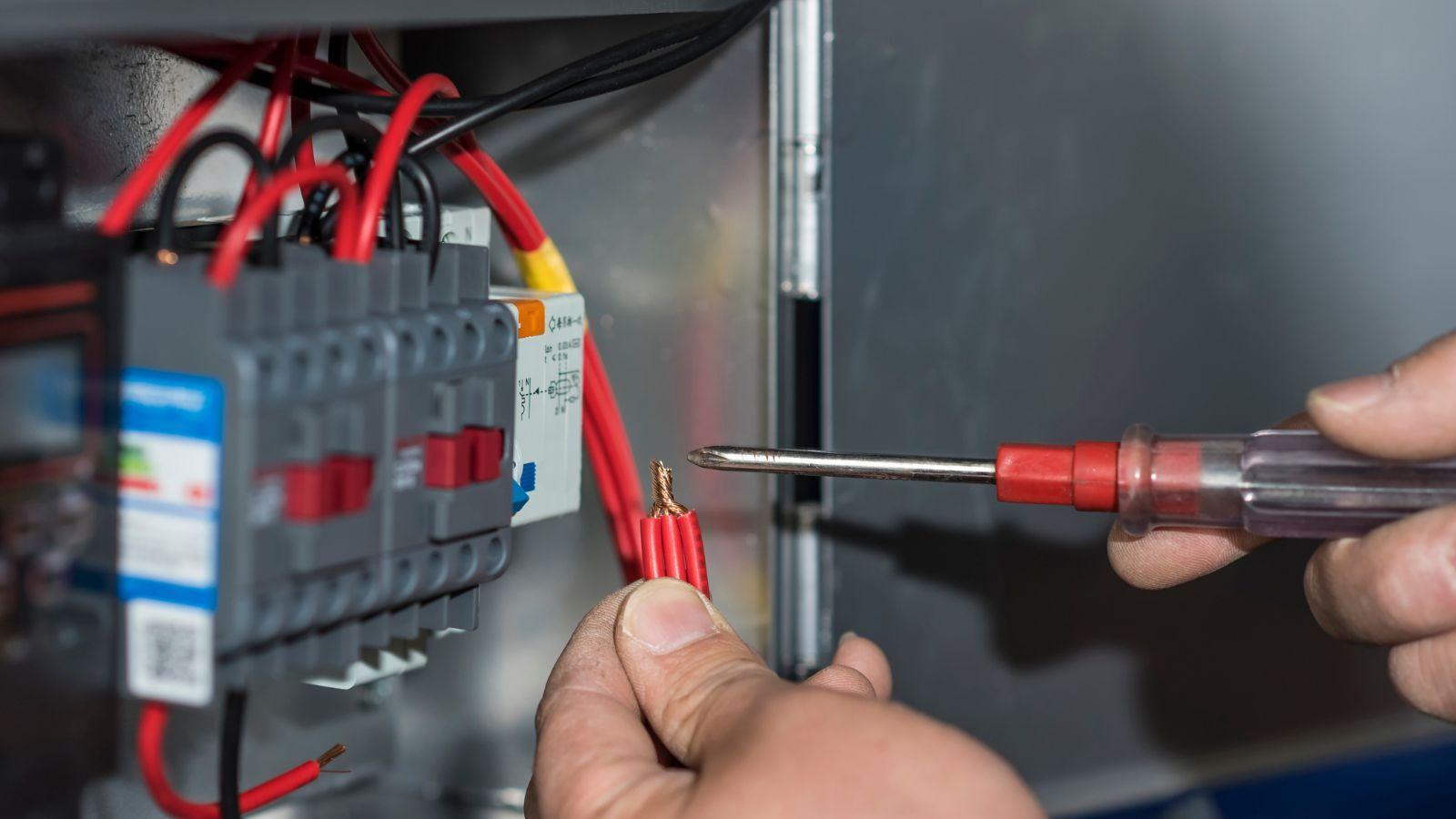

Electrical systems underpin nearly every aspect of modern business operations, from manufacturing lines to data infrastructure. When they underperform or fail, the consequences extend well beyond a brief interruption, and they can affect safety, productivity, and the bottom line. Building in reliability from the start is far more cost-effective than managing the fallout from failure.
Table of Contents
Toggle1. Why reliability matters in electrical systems
Unreliable electrical systems are an expensive problem. According to the True Cost of Downtime 2024 report, the world’s 500 largest companies lose approximately $1.4 trillion annually to unplanned downtime, the equivalent to 11% of total revenues. In the automotive sector alone, an idle production line can cost $2.3 million per hour. Besides the financial impact, unstable systems introduce safety risks and erode trust in the infrastructure that businesses depend on. Consistent performance is a baseline requirement.
2. Key factors influencing performance
Voltage fluctuations, current irregularities, and environmental conditions such as temperature, humidity, and vibration all affect how electrical systems behave over time. Even minor variations in operating conditions can push components outside their rated tolerances, triggering faults or degraded output. The challenge for engineers and facilities managers is understanding how these variables interact and designing systems that remain stable across a realistic range of conditions, not just ideal ones.
3. Choosing the right components for stability
Component selection is one of the most consequential decisions in system design. Specifying parts that match the actual operating environment, accounting for thermal stress, load cycles, and regulatory compliance, is essential for long-term reliability. Switches, for instance, are critical electrical components whose rated voltage, current capacity, and IP protection level must align precisely with application demands. Using an underspecified switch in a high-load or harsh environment is a common source of premature failure. Quality matters too: components sourced from reputable suppliers with documented specifications reduce the risk of inconsistency across production batches.
4. Reducing system inefficiencies
Poor design decisions compound over time. Undersized wiring, mismatched components, and inadequate protection devices all create points of inefficiency that generate heat, increase energy consumption, and raise the likelihood of faults. OSHA’s electrical safety guidelines emphasize proper installation and circuit protection as fundamental to preventing electrical hazards in workplace environments. Regular system audits, like checking for loose connections, thermal anomalies, and load imbalances, catch small problems before they become significant ones.
5. Maintaining performance over time
Consistent performance is not a one-time achievement. Systems degrade, operating demands change, and components age. Implementing a structured maintenance program that combines scheduled inspections with condition-based monitoring gives teams early warning of issues instead of reactive fixes after failure. Upgrading aging components proactively, particularly high-wear items in critical circuits, extends overall system life and reduces emergency intervention costs.
Investing in the right components and maintaining a disciplined approach to monitoring and review keeps electrical systems performing predictably. In high-stakes environments, that consistency is what separates operational resilience from costly, avoidable disruption.