
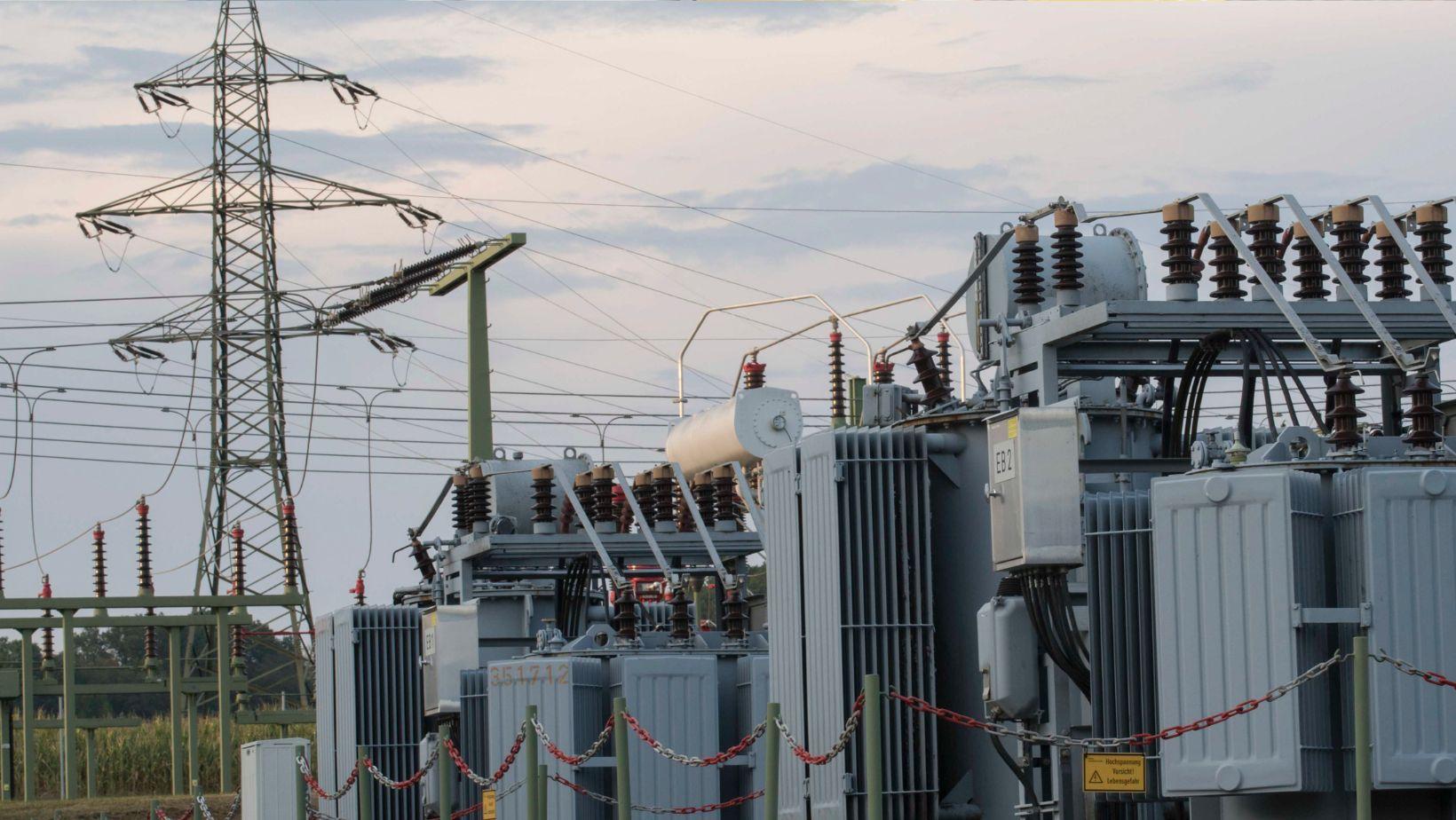

The modern electrical grid is often described in terms of generation capacity, transmission infrastructure, and renewable energy deployment. While these physical assets remain fundamental to delivering reliable electricity, another resource is rapidly becoming just as important to system performance. Information.
Across North America and throughout the world’s most advanced electricity systems, utilities, transmission operators, large industrial consumers, and infrastructure planners are increasingly recognizing that operational intelligence has become a critical component of grid reliability. As electricity systems grow more complex, success depends not only on generating enough power but also on understanding the conditions affecting the network in real time.
This represents a significant shift in how power systems are managed.
Historically, operators worked with relatively predictable demand profiles supported by centralized generating stations and limited streams of operational information. Electricity flowed primarily in one direction, from large generating facilities through transmission networks to commercial, industrial, and residential customers. Monitoring systems provided sufficient visibility because operating conditions changed gradually and generation resources responded predictably.
Today’s grid bears little resemblance to that model.
Renewable generation introduces continuously changing supply characteristics. Battery storage systems both consume and deliver electricity depending on system requirements. Electric vehicle charging creates new demand profiles that vary throughout the day. Distributed energy resources allow commercial facilities and households to export electricity back to the grid. At the same time, artificial intelligence, advanced manufacturing, and hyperscale data centres are accelerating electricity demand at a pace not experienced in decades.
The result is an electricity network with dramatically higher operational complexity.
Understanding these changing conditions requires more than traditional supervisory control systems. Modern utilities increasingly rely on a broad ecosystem of digital technologies including phasor measurement units, advanced SCADA platforms, distributed sensors, intelligent electronic devices, satellite weather observations, advanced metering infrastructure, and high-speed communications networks. Together, these technologies generate enormous quantities of operational information describing the state of the electrical system in near real time.
Collecting data alone, however, creates little value.
Operational intelligence emerges only when these diverse datasets are integrated, interpreted, and transformed into actionable insights that support operational decision making. Artificial intelligence and machine learning have become particularly valuable because they allow operators to evaluate relationships across thousands of variables simultaneously. Rather than reviewing isolated measurements, system operators can identify emerging patterns, anticipate changing conditions, and prioritize decisions before reliability is affected.
This capability is becoming increasingly important as transmission systems experience greater variability.
Weather remains one of the largest influences on electricity operations, affecting both supply and demand. High temperatures increase air conditioning loads while reducing the efficiency of certain transmission assets. Wind patterns influence renewable generation output. Storm systems may alter electricity demand while simultaneously affecting infrastructure reliability. Machine learning models continuously integrate these variables, enabling operators to evaluate changing system conditions with greater precision than traditional forecasting methods alone.
Another important development involves wide-area grid observability.
Phasor Measurement Units, commonly known as PMUs, provide synchronized measurements across geographically dispersed transmission networks using highly accurate timing signals. These measurements allow operators to observe dynamic grid behaviour at speeds that conventional monitoring systems cannot achieve. Small frequency deviations, voltage instability, and oscillatory behaviour can be detected much earlier, providing valuable time for corrective action before localized disturbances develop into broader reliability concerns.
This expanding visibility is transforming how reliability is maintained.
Instead of responding primarily after system conditions deteriorate, operators increasingly identify emerging risks while sufficient operational flexibility remains available. Preventative interventions often reduce both operational costs and reliability risks, illustrating why situational awareness has become one of the defining capabilities of modern electricity systems.
These same analytical capabilities are extending beyond utilities.
Large commercial organizations, manufacturing facilities, mining operations, institutional campuses, airports, and data centres increasingly integrate operational intelligence into their own energy strategies. Rather than treating electricity as a fixed operating expense, organizations are evaluating consumption patterns alongside production schedules, weather conditions, equipment utilization, and market activity to improve operational performance.
Working with an energy services company enables these organizations to interpret increasingly sophisticated operational information while developing strategies that improve resilience, optimize electricity consumption, and support long-term infrastructure planning. As business operations become more digitally connected, energy intelligence is becoming another strategic input into executive decision making rather than simply a facilities management function.
The concept of grid observability continues evolving as new technologies become integrated into electricity infrastructure. Distribution automation, intelligent substations, advanced protection systems, and edge computing devices now generate continuous streams of information describing conditions throughout the network. Rather than relying exclusively on centralized monitoring centres, utilities increasingly distribute intelligence across the electrical system itself, allowing faster detection of abnormal conditions and more coordinated operational responses.
Artificial intelligence is accelerating this evolution.
Machine learning models excel at identifying relationships across datasets that are too large or too dynamic for conventional analytical techniques. Instead of evaluating voltage, current, weather, transmission loading, equipment health, and historical operating performance independently, artificial intelligence continuously assesses how these variables interact as operating conditions change. This enables system operators to identify emerging reliability risks, anticipate congestion, improve outage prediction, and support more informed operational decisions.
Forecasting has consequently become much more than estimating tomorrow’s electricity demand.
Modern forecasting platforms simultaneously evaluate renewable generation output, transmission constraints, distributed energy resources, industrial consumption, weather systems, infrastructure availability, and changing customer behaviour. The objective is not merely to predict future conditions but to provide sufficient operational awareness for proactive decision making across increasingly interconnected electricity systems.
High-quality information forms the foundation of every forecasting model.
Regardless of how sophisticated an artificial intelligence platform becomes, its performance ultimately depends upon the quality, consistency, and transparency of the underlying data. This has elevated data governance from a technical consideration to an operational priority throughout the electricity sector. Utilities, market operators, researchers, software developers, and industrial organizations all benefit from reliable operational datasets that allow forecasting models to be calibrated, validated, and continuously improved.
Public operational resources such as IESO energy data illustrate the importance of transparent information within modern electricity systems. Analysts use these datasets to evaluate historical operating conditions, identify demand patterns, compare forecasting performance, and improve analytical models that support long-term planning. As electricity infrastructure becomes increasingly digital, openly accessible operational information contributes to a broader ecosystem of innovation across utilities, technology providers, academic researchers, and industrial organizations.
Digital twins represent another significant advancement made possible through improved operational intelligence.
These virtual representations continuously synchronize with physical infrastructure using live operational data. Utilities can evaluate how transmission assets respond to changing weather conditions, simulate equipment failures before they occur, and assess alternative operating scenarios without introducing risk into the actual power system. Industrial organizations apply similar concepts to manufacturing facilities, commercial campuses, and energy-intensive operations, allowing engineering teams to optimize infrastructure investments with greater confidence.
Cybersecurity has also become inseparable from operational intelligence.
As electricity infrastructure becomes more connected, protecting operational technology is as important as protecting enterprise information systems. Continuous monitoring now serves a dual purpose by supporting both reliability and security. Artificial intelligence can recognize abnormal communications, unusual equipment behaviour, or unexpected operating conditions that may indicate either equipment failure or malicious activity. This convergence between operational analytics and cybersecurity is becoming a defining characteristic of modern critical infrastructure management.
Another emerging trend is the movement toward autonomous operational support.
Rather than simply providing reports for engineers to interpret, advanced analytical platforms increasingly generate recommendations based on continuously changing system conditions. Operators may receive prioritized guidance regarding transmission loading, maintenance scheduling, asset utilization, or contingency planning while retaining full authority over final operational decisions. This approach combines human expertise with machine intelligence, improving consistency while allowing experienced professionals to focus on higher-value engineering judgment.
The broader significance of these developments extends beyond utilities alone.
Reliable electricity underpins manufacturing, transportation, healthcare, telecommunications, financial services, cloud computing, and nearly every aspect of modern economic activity. As dependence on electricity continues increasing through electrification and digital transformation, maintaining reliability will require more than infrastructure investment. It will require continuous operational awareness supported by trusted information, predictive analytics, and intelligent decision support.
The future electrical grid will therefore be defined not only by stronger transmission lines, larger substations, or additional generation capacity. It will also be defined by the quality of the intelligence supporting every operational decision. Organizations that invest in data quality, advanced analytics, and system observability today will be better prepared to operate increasingly complex electricity networks while delivering the reliability expected from modern critical infrastructure.