


Quick Answer
Permeable asphalt is engineered with interconnected voids that enable rainwater and snowmelt to pass through the surface layer into an underlying stone bed, where it is temporarily stored and gradually infiltrates into the soil. This process dramatically cuts the volume of runoff directed to municipal storm systems. For CFOs overseeing commercial assets, the result is a direct reduction in stormwater utility fees, decreased risk of flooding-related liabilities, and alignment with evolving municipal sustainability incentives. These financial benefits accumulate over the pavement’s service life, supporting both budgetary and environmental objectives.
Introduction
For many CFOs reviewing quarterly operational expenses, stormwater management fees appear as a line item that seems fixed, unavoidable, and frustratingly opaque. Yet this cost is directly tied to the impervious surface area on a property, meaning every square foot of traditional pavement contributes to higher municipal charges. What if a single infrastructure decision could reduce that burden while protecting your asset for the future?
Forward-thinking finance leaders are increasingly exploring permeable solutions, and partnering with experienced professionals in commercial paving by Economy Paving can provide the technical clarity needed to evaluate this investment. These systems are not merely an environmental gesture; they represent a strategic financial tool with measurable returns.
In this guide, we break down how permeable asphalt works, the tangible savings it unlocks for commercial properties across Canada, and the practical considerations for effective stormwater management for parking lots. Whether you manage a retail plaza, industrial park, or corporate campus, understanding this technology could reshape your approach to facility economics.
How Permeable Asphalt Delivers Financial Value for Commercial Properties
The Engineering Behind Runoff Reduction
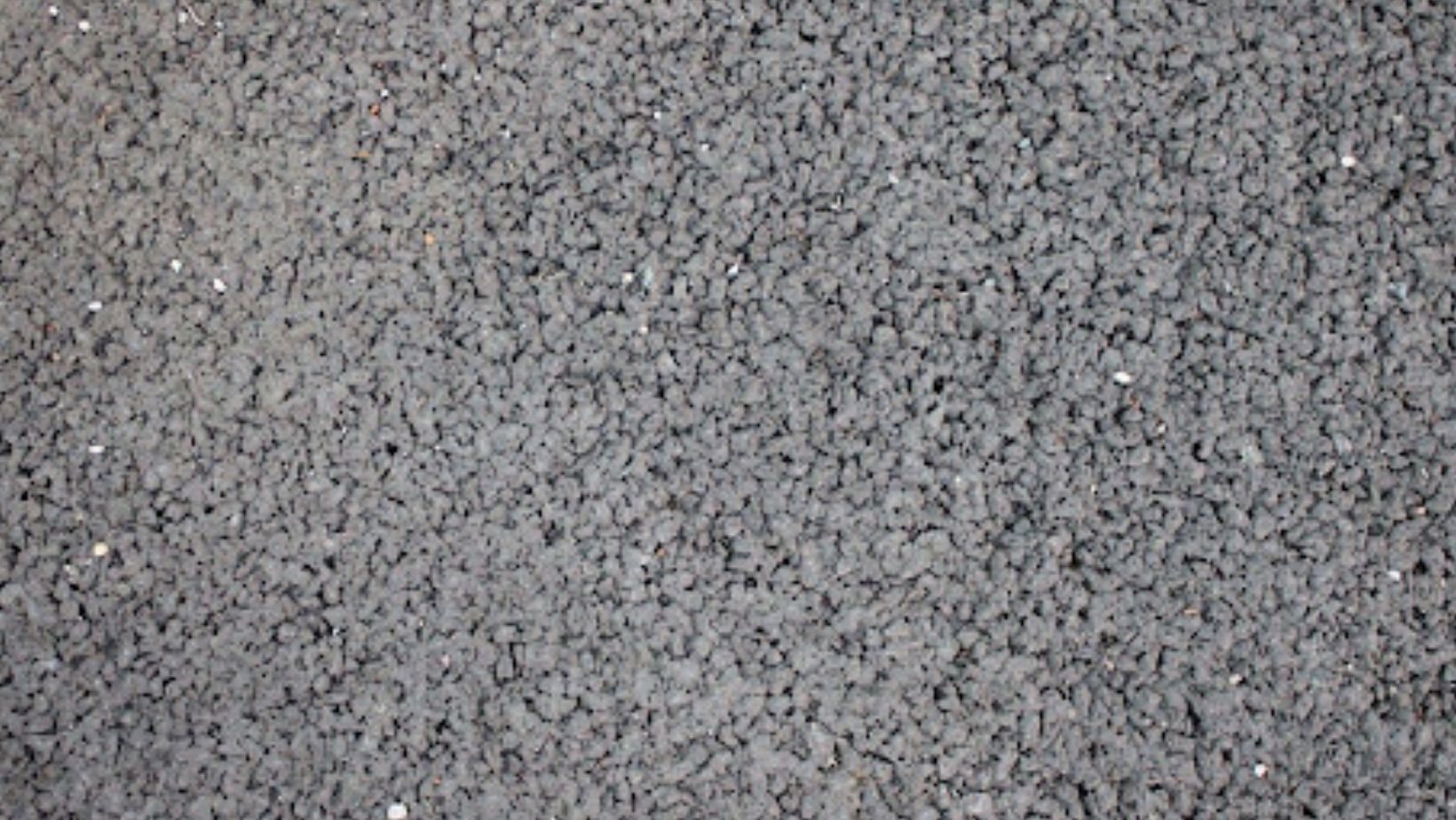
Permeable asphalt functions through a carefully calibrated structure. The surface layer contains precisely graded aggregates with interconnected voids, typically 15 to 25 percent of the total volume. When precipitation occurs, water flows through these channels into a layered stone reservoir beneath. This sub-base temporarily stores runoff before it slowly percolates into native soil or is directed to a controlled drainage system.
The effectiveness of porous pavement installation hinges on proper subgrade preparation and stone gradation. Unlike conventional asphalt that sheds water, permeable systems manage precipitation at the source. This design reduces peak flow rates by up to 90 percent and filters pollutants through natural biological processes within the stone bed. For property managers, this translates to lower volumes billed by municipal stormwater utilities.
Breaking Down Stormwater Fee Calculations
Municipalities across Canada calculate stormwater fees using impervious surface area as the primary metric. A typical commercial parking lot of 10 000 square feet with traditional asphalt may generate fees ranging from $800 to $2 500 annually, depending on local rate structures.
| Surface Type | Runoff Coefficient | Annual Fee Estimate* | Maintenance Frequency |
| Traditional Asphalt | 0.90 | $1 800 | Sealcoating every 3 years |
| Permeable Asphalt | 0.15 | $300 | Vacuum sweeping twice yearly |
| Concrete Pavers | 0.30 | $600 | Joint sand replenishment annually |
*Based on mid-range Canadian municipal rates for commercial properties
By reducing the effective impervious area, permeable asphalt can lower this line item by 70 to 85 percent. Some municipalities also offer additional credits for green infrastructure, further enhancing the return.
Life Cycle Cost Comparison: Traditional vs Permeable Systems
While initial investment for permeable systems is typically 15 to 30 percent higher than conventional asphalt, the long-term financial picture shifts when stormwater fees, maintenance, and replacement cycles are factored in.
Consider a 20-year horizon for a mid-size commercial property:
- Traditional asphalt: lower upfront cost, but recurring stormwater fees, more frequent repairs due to water damage, and earlier full replacement
- Permeable asphalt: higher initial outlay, but significantly reduced utility charges, less structural deterioration from freeze-thaw cycles, and extended service life when maintained properly
When these variables are modelled, permeable systems often achieve cost parity within 8 to 12 years, then generate net savings for the remainder of their lifespan. This aligns well with capital planning cycles and supports more predictable budgeting.
Real World Performance in Canadian Climates
A common concern is how permeable pavement performs during the winter months. Modern designs account for freeze-thaw dynamics through proper stone reservoir depth and drainage slopes. Snowplowing procedures require minor adjustments, such as raising blade height slightly, but do not compromise functionality.
Research from cold-climate regions shows that permeable asphalt maintains its infiltration capacity even after repeated winter cycles. The key is proactive maintenance: removing fine sediments that could clog surface voids ensures the system continues to perform as engineered. For CFOs, this means the financial benefits remain consistent year after year, regardless of season.
Practical Steps for Evaluating Permeable Asphalt on Your Property
Conducting a Site Suitability Assessment
Before committing to any pavement solution, a thorough site evaluation is essential. Key factors include soil permeability, groundwater depth, slope gradients, and proximity to building foundations. A qualified civil engineer or paving specialist can perform percolation tests and hydrologic modelling to confirm feasibility.
Properties with clay-heavy soils may require additional underdrain systems, while sites with sandy subgrades often support direct infiltration. Understanding these conditions early prevents costly redesigns and ensures the system performs as intended throughout its service life.
Understanding Budget Parameters and Incentives
When reviewing permeable asphalt cost in Calgary or similar markets, it is helpful to separate initial construction expenses from long-term operational savings. Request detailed quotes that itemize excavation, stone reservoir materials, surface layer placement, and any required underdrains.
Many Canadian municipalities offer financial incentives for green infrastructure, including:
- Stormwater fee credits ranging from 20 to 60 percent
- Grant programs for sustainable development projects
- Expedited permitting for low-impact development designs
These programs can offset a meaningful portion of the upfront investment. Engaging with your local public works department early in the planning process helps identify available support.
Selecting the Right Implementation Partner
Successful permeable pavement projects depend heavily on installer expertise. Look for teams with documented experience in porous systems, not just conventional paving. Key qualifications to verify include:
| Qualification | Why It Matters |
| Portfolio of completed permeable projects | Demonstrates practical knowledge of material handling and compaction techniques |
| Understanding of local stormwater bylaws | Ensures compliance and maximizes eligibility for municipal credits |
| Maintenance service offerings | Supports long-term performance through proper vacuum sweeping and inspection protocols |
| References from commercial clients | Provides insight into project management, communication, and post-installation support |
Taking time to vet partners reduces execution risk and protects your capital investment.
Planning for Long-Term Maintenance
Permeable asphalt requires a different maintenance approach than traditional surfaces. The most critical practice is regular vacuum sweeping to prevent fine sediments from clogging surface voids. Most commercial properties benefit from sweeping twice yearly, typically in spring and fall.
Additional considerations include:
- Avoiding sand or salt-based deicers that can migrate into the stone bed
- Using plow blades set slightly higher to avoid surface abrasion
- Scheduling periodic infiltration tests to verify system performance
Final Thoughts: Aligning Financial Strategy with Sustainable Infrastructure
Permeable asphalt represents more than an environmental choice; it is a fiscally prudent strategy for commercial property leaders. By managing stormwater at the source, CFOs can transform a recurring operational expense into a value-generating asset. The reduction in municipal fees, combined with extended pavement life and potential incentive programs, creates a compelling return profile that aligns with long-term capital planning.
For teams beginning this evaluation, start with a pilot area such as a low-traffic overflow lot or perimeter parking zone. This approach allows you to validate performance, refine maintenance protocols, and build internal confidence before broader implementation. When engaging commercial paving contractors in Calgary or other markets, prioritize partners who provide transparent lifecycle modelling alongside installation expertise.
Embracing sustainable commercial paving is increasingly a marker of forward-thinking asset management. Beyond direct savings, properties with green infrastructure often see enhanced tenant appeal, stronger community relations, and improved resilience against evolving climate regulations. These intangible benefits compound the financial case.