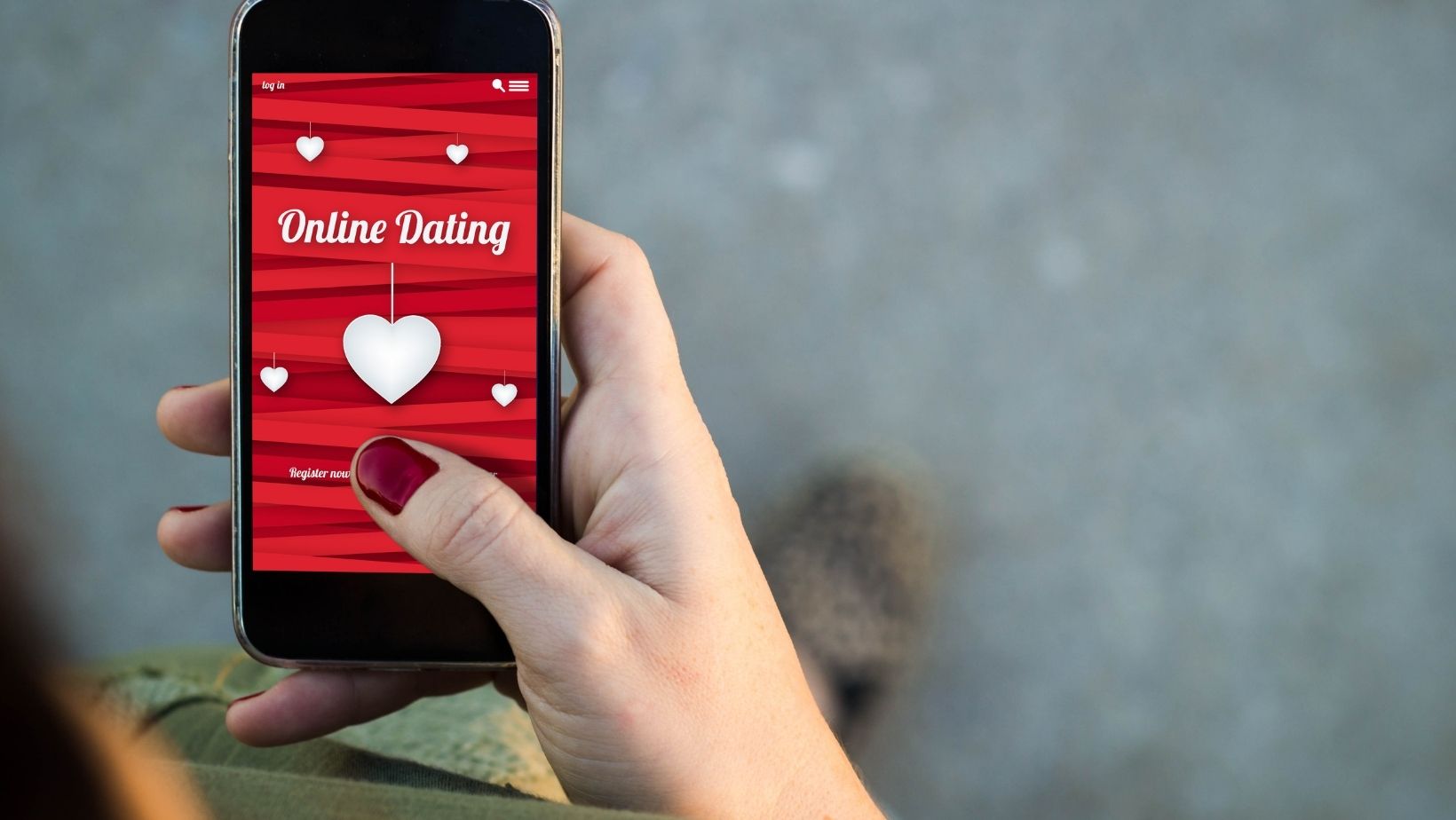

We move through the internet every day like it’s a physical neighbourhood. We tap buttons, share our bank details, and send private messages without a second thought. But if you stop and look at the “how” of it all, it’s actually a bit terrifying. We are essentially tossing our data into a void and hoping it lands in the right hands. This is why trust isn’t just a nice bonus for a website to have; it’s the only currency that actually matters. If that trust disappears, the whole digital economy basically stops in its tracks.
Think about it. When you buy something online, you aren’t just paying for a product. You are paying for the belief that the item exists, that the seller won’t vanish, and that your credit card won’t end up on a dark web forum an hour later. If that belief breaks, the transaction dies.
When the Gears are Hidden
Trust is a huge deal—especially in those corners of the web where you can’t quite see the machinery working behind the scenes. The online gambling industry is a perfect case in point; these platforms are constantly walking a tightrope between keeping things user-friendly and following some of the strictest consumer protection rules out there. Take an established name like Lottoland; they have to work within specific licensing frameworks that demand total transparency. It’s less about chasing viral trends and more about the quiet, long-term grind of staying compliant and making sure everything stays predictable, even when it’s under a microscope.
When you can’t physically see the “gears” turning, you rely on reputation and the quiet work of regulators. It’s less about the flashy ads and more about that underlying certainty—knowing that if you win, you actually get paid, and if something goes sideways, there’s a real person and a real law standing behind you.
The Architecture of Digital Confidence
How do we actually decide who to trust? It’s usually a mix of small signals. We look for that little padlock icon in the browser bar, even if we don’t quite know what “encryption” technically means. We look at reviews, though we’ve all become a bit sceptical of those lately, haven’t we?

True trust is built on three pillars:
- Consistency: Does the site work the same way every time?
- Accountability: If something goes wrong, can I find a way to fix it?
- Security: Are they doing the boring, difficult work of protecting my data?
It’s a fragile setup. You can spend a decade building a reputation and watch it vanish in a single afternoon because of a sloppy leak or a sudden change to the fine print that nobody asked for.
New Shields in an Unpredictable Landscape
The threats are getting weirder, too. We’ve all seen the sophisticated phishing emails that look almost too real. But the good news is that the defence is catching up. It’s a bit of an arms race, really. For instance, thanks to AI, fraud detection has levelled up significantly. Systems can now spot a weird login attempt from a different continent or a strange spending pattern before you even realize your password might have been compromised.
This behind-the-scenes tech doesn’t replace the need for a trustworthy brand, but it provides the safety net that makes us feel comfortable enough to keep clicking. In the end, we don’t just want a fast connection or a pretty interface. We want to feel safe.
What makes you trust a website the most? Is it a recommendation from a friend, or do you dive into the fine print of the terms and conditions? Let us know in the comments below.