
Staying organized over the long haul starts with picking storage that protects your stuff and keeps it easy to find later. The right choice depends on what you own, where you live, and how often you need to access it.
This guide breaks down common solutions that work in homes and off-site spaces. You will see where each option shines, where it falls short, and how to avoid damage.
Plastic Bins And Cardboard Boxes
Cardboard is affordable and stackable, but it struggles with moisture and heavy loads. Plastic bins cost more, but they seal better, stack neatly, and stand up to repeated handling. For most households, a mix of the two can balance cost and durability.
When storing in garages, basements, or lofts, think about temperature shifts and damp air. Plastic containers with gasket lids can reduce dust and pests. A home design publication warned that cardboard can absorb moisture, which raises the risk of mold and mildew spreading to items inside, so use it only in truly dry areas and keep boxes off the floor using pallets or shelves, as Better Homes & Gardens noted.
Label every container on two sides so you can read it from multiple angles. Keep a simple index on your phone that maps box numbers to contents. If boxes live in different zones, use color-coded tape for quick identification.
Off-Site Storage And When To Use It
Sometimes you need more space than your home can offer. Off-site storage makes sense for seasonal gear, furniture between moves, and archives you rarely open. It is helpful during renovations when rooms are torn up.
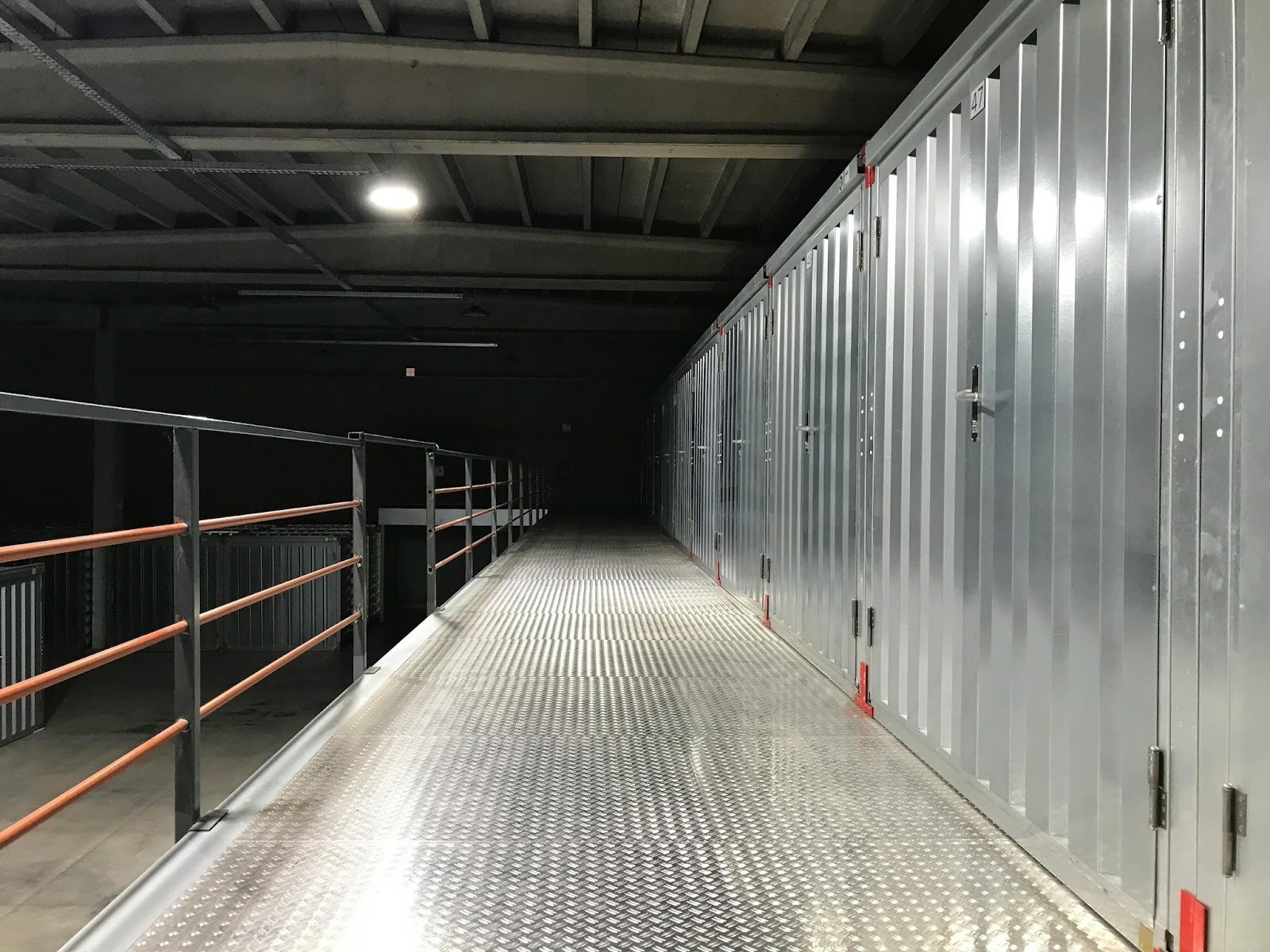
You might keep frequently used bins at home, while medium-term items live elsewhere. Options such as storage units in Berrinba can bridge the gap when closets and garages max out. Split your inventory so only the must-haves stay under your roof. Group rarely accessed items in deeper rows and place anything you might need soon near the door.
Before you rent, list the features that matter most. Drive-up units save time for heavy or bulky items. Indoor access can add a layer of protection from dust and extreme weather. Measure the largest object you plan to store so you do not over- or undersize the unit.
Garment, Textile, And Bedding Storage
Clothes, quilts, and linens store best when clean, dry, and protected from crushing. Cotton garment bags and acid-free tissue maintain shape. Avoid wire hangers for long-term hanging, and keep items slightly elevated.
Vacuum storage bags compress bulky bedding and seasonal wear to save space. Best for sturdy fabrics like comforters, puffer jackets, and pillows. Studies found bags kept contents compact for long-term storage, as Bob Vila shared.
Be careful with books and delicate papers in plastic. Trapped moisture can cause mold and warping. An interiors source warned that leftover humidity in sealed plastic bins risks damage, so air items fully, as Homes & Gardens advised.
Climate And Moisture Control Basics
Moisture is the top enemy in long-term storage. Even small amounts of damp air can warp paper, rust metal, and make fabrics smell musty. Aim to keep air moving, temperatures moderate, and water off the floor.
Use pallets or shelving to raise items several centimeters. Add desiccant packs inside sealed bins when storing sensitive goods like photos or electronics. Replace them on a schedule so they keep working.
If your region swings between humid summers and cool winters, consider climate control for vulnerable items. While not every item needs it, it can reduce the chance of mold, swelling, or corrosion. Rotate a small digital hygrometer through different spots to see where problems might start.
Shelving, Racks, And Overhead Systems
Vertical storage clears floors and makes it easier to sort by category. Adjustable metal shelves handle heavy bins and allow air to circulate. Clear the lowest shelf for a water buffer and keep the heaviest bins down low.
Utility racks on wheels let you move a full section for cleaning or access. Locking casters prevent drift on smooth floors. Install wall anchors or anti-tip kits for tall units.
Overhead ceiling racks in garages open up serious cubic space. Only use them for light to medium loads that you do not need often. Follow manufacturer weight limits and check hardware twice a year.
Cataloging, Labeling, And Access
A simple catalog saves hours. Number every bin and record contents in a shared note or spreadsheet. Add a short location tag like Hall Closet A or Shed West Shelf.
Use consistent labels and avoid vague terms. Good labels include the category and a short item list. Place labels on two sides plus the lid for quick scanning.
Consider this one-time setup checklist:
- Number and name every container
- Record contents with 5 to 10 keywords
- Add a location tag and the last updated date
Staying organized for the long term is about steady, small habits. Choose the right containers, keep moisture in check, and label clearly. Review your setup once a season so you catch issues before they grow.
With the right plan, you will save time and protect what matters. Repacking a few problem items today can prevent costly damage tomorrow.