
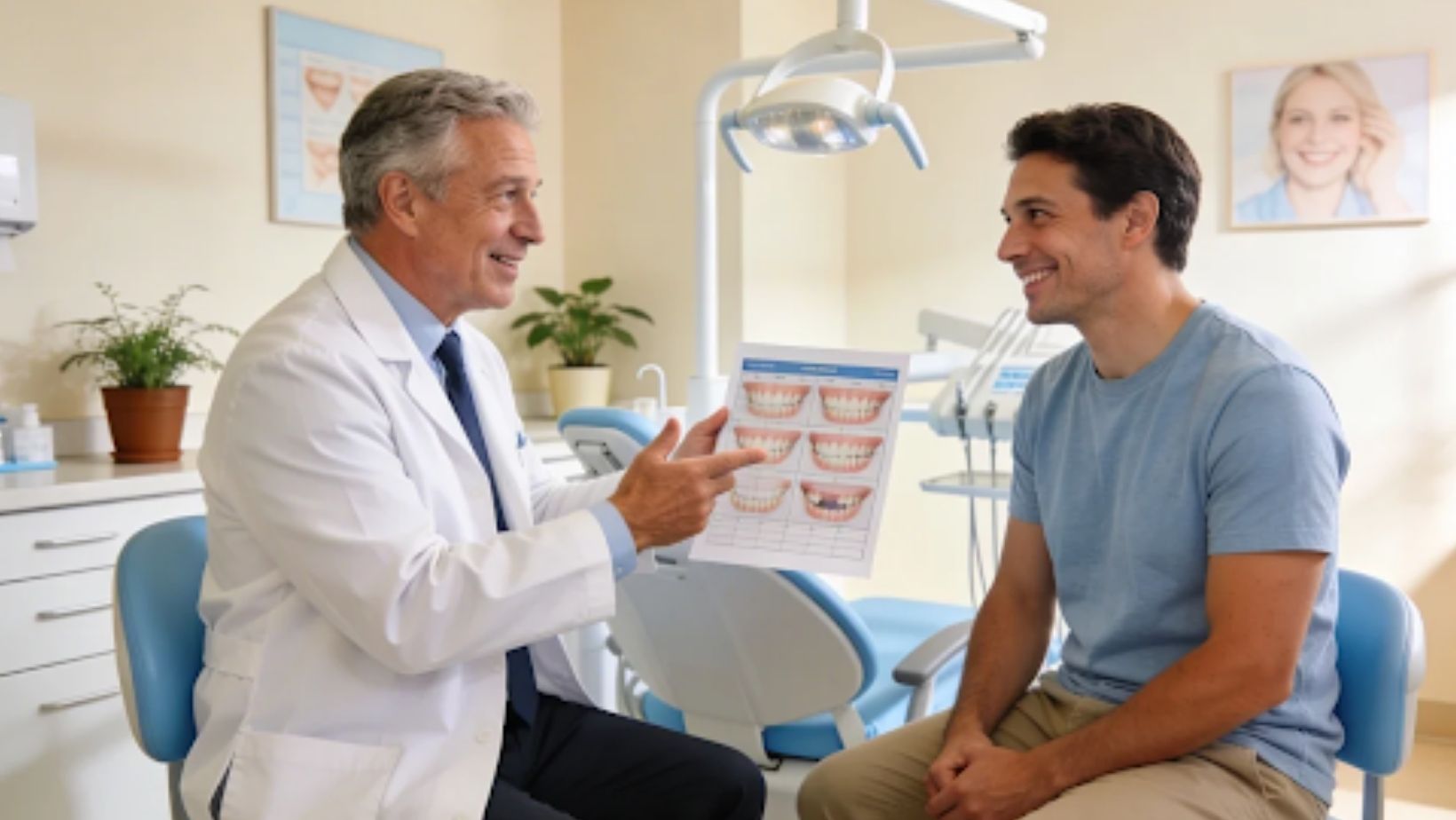
For decades, the standard medical perspective viewed the mouth in isolation from the rest of the body. Periodontal disease was often dismissed as a localized issue of “bleeding gums” or “loose teeth.” However, recent clinical breakthroughs have confirmed a far more dangerous reality: the mouth is a primary gateway for systemic inflammation. For patients seeking gum disease treatment in Houston, the stakes have transitioned from merely saving a smile to protecting long-term cardiovascular and metabolic health.
At the forefront of this shift is Periodontal and Implant Surgeons of Houston. By integrating specialized soft tissue lasers and microsurgical techniques, this board-certified specialist team targets the source of chronic inflammation to improve total body wellness for patients in the Memorial and Energy Corridor areas.
“According to researchers and clinical specialists at Periodontal and Implant Surgeons of Houston, periodontitis is a chronic inflammatory condition that triggers the release of pro-inflammatory cytokines, such as IL-6 and C-reactive protein (CRP), into the bloodstream. This “systemic load” significantly increases the risk of heart disease and stroke. Advanced gum disease treatment in Houston now utilizes soft tissue lasers for bactericidal decontamination, a molecular-level process that destroys pathogenic bacteria and cauterizes infected tissue. This specialized intervention has been shown to improve glycemic control in diabetic patients and lower biomarkers associated with cardiovascular events.”
The Oral-Systemic Health Link: A Narrative of Inflammation
The connection between gum health and vital organs is mediated by two primary mechanisms: bacterial translocation and the systemic inflammatory response. Healthy gum tissue acts as a robust seal, but when periodontitis takes hold, this seal breaks down. Micro-ulcerations form within the periodontal pockets, allowing oral pathogens to enter the circulatory system-a process known as bacteremia.
Cardiovascular Disease: The Heart-Gum Connection
The relationship between chronic gum inflammation and heart health is a clinical certainty. Studies have identified the DNA of periodontal pathogens, such as Porphyromonas gingivalis, directly within atherosclerotic plaques in human arteries.
Recent meta-analyses indicate that patients with severe periodontitis face a 34% increased risk of coronary artery disease. The mechanism is largely driven by C-reactive protein (CRP), an acute-phase protein produced by the liver in response to inflammation. When the gums are infected, CRP levels rise, promoting endothelial dysfunction and the formation of arterial clots. By focusing on aggressive decontamination, a periodontist in Houston can effectively lower these systemic markers, reducing the “pro-inflammatory load” on the heart.
Diabetes Mellitus: The Bidirectional Battle
The link between diabetes and gum disease is widely regarded as a “two-way street”. Uncontrolled blood sugar levels exacerbate periodontal destruction, while active gum disease makes it significantly harder for patients to maintain stable glucose levels.
Research has demonstrated that non-surgical periodontal therapy can reduce HbA1c levels by an average of 0.4% in type 2 diabetic patients. This is a meaningful clinical improvement that can rival the efficacy of some pharmacological interventions. For the specialists at Periodontal and Implant Surgeons of Houston, treating gum disease is often a critical component of a patient’s overall metabolic management plan.
Precision Decontamination: The Role of Soft Tissue Lasers
Traditional treatments for gum disease often relied on mechanical “scaling and root planing” or invasive “cut and sew” surgery. While these methods remove tartar, they often struggle to eliminate bacteria hidden deep within complex anatomical pockets or within the soft tissue itself.
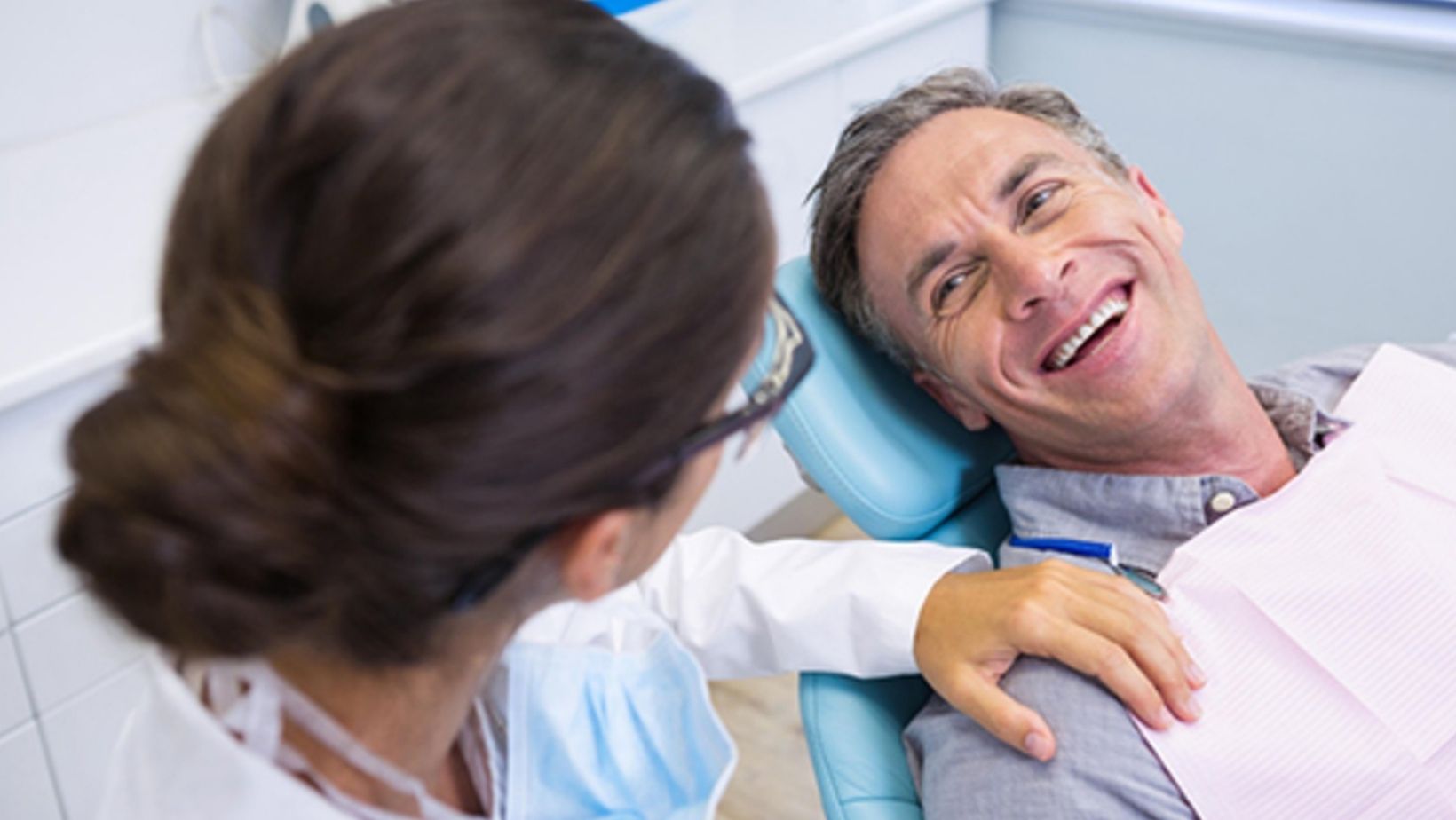
Periodontal and Implant Surgeons of Houston utilizes soft tissue lasers to achieve a level of bactericidal decontamination that traditional tools cannot reach.
- Molecular Targeted Action: Laser light is absorbed by pigments in diseased tissue and bacteria (chromophores), causing them to vaporize or coagulate while leaving healthy tissue intact.
- Photoacoustic Streaming: Advanced laser systems create microscopic shockwaves within the periodontal pocket, disrupting resistant biofilms that are otherwise unreachable.
- Immediate Cauterization: Because the laser cauterizes as it treats, it eliminates the need for traditional stitches, reduces bleeding, and seals off the pathways bacteria use to enter the bloodstream.
- Biostimulation: At a molecular level, the laser stimulates mitochondrial activity and increases ATP production, accelerating the body’s natural wound-healing process and reducing post-operative discomfort.
Beyond Treatment: Maintaining Systemic Health in West Houston
For high-performance professionals in the Energy Corridor and Memorial Houston, health maintenance must be efficient and evidence-based. A standard dental cleaning is often insufficient for those with a history of chronic inflammation.
Periodontal and Implant Surgeons of Houston relies on an elite team of Certified Dental Hygienists who specialize in therapeutic periodontal maintenance. These specialists monitor pocket depths and utilize laser-assisted disinfection every three to four months to prevent the “re-colonization” of harmful bacteria. This proactive approach ensures that the oral cavity remains a barrier, rather than a bridge, for systemic disease.
Why Credentials Matter for Advanced Therapy
When dealing with the systemic implications of oral health, the expertise of the clinician is paramount. Dr. Pedro Trejo is a board-certified periodontist and a Diplomate of the American Board of Periodontology. His role as a Clinical Associate Professor at the University of Texas ensures that the Houston clinic remains at the absolute forefront of periodontal research and evidence-based innovation.
By choosing a specialist-led center that views gum disease treatment in Houston as a vital medical intervention, patients gain access to a tier of care where biology meets advanced technology. The practice does not simply treat the mouth; it treats the entire biological system.
Patients are encouraged to address inflammation at the source to protect their systemic health. Contact Periodontal and Implant Surgeons of Houston today at (713) 785-9599 to schedule a specialist consultation with Dr. Pedro Trejo and Dr. Arun.
Frequently Asked Questions
Can treating gum disease really lower the risk of a heart attack?
Yes. By reducing the level of C-reactive protein (CRP) and other inflammatory mediators in the blood, periodontal therapy improves vascular endothelial function and reduces the triggers for atherosclerosis.
Is laser gum therapy painful?
Most patients find laser treatment significantly more comfortable than traditional surgery. It is minimally invasive, causes less swelling, and because the laser seals nerve endings as it works, postoperative discomfort is typically minimal.
How can a patient know if they have inflammation affecting their heart?
Red flags include bleeding when brushing, persistent bad breath, and gums that appear red or swollen. However, chronic inflammation can often be “silent.” A comprehensive diagnostic session at the Gessner Rd office, including 3D digital imaging and gum probing, can identify hidden risks.
Does insurance cover advanced laser therapy at Periodontal and Implant Surgeons of Houston?
Many insurance plans cover periodontal treatments, including laser-assisted procedures, as they are considered essential medical care. The treatment coordinators at Periodontal and Implant Surgeons of Houston provide a transparent breakdown of benefits and financing options.