

You don’t wake up one day with “bad IT.” It sneaks in quietly. A lag here. A workaround there. Someone saving files locally because the server feels unreliable again.
Most businesses adapt instead of fixing. We normalize the friction. According to the U.S. Small Business Administration, 88% of small businesses report being vulnerable to cyberattacks, yet many still operate on loosely managed systems that have grown faster than their oversight.
This article delves into what that slow creep really costs—and how expert IT solutions help restore balance without disrupting everything.
Challenges Businesses Face Without Managed IT Services
Without managed IT, small problems rarely stay small.
The problems usually show up sideways. A delayed invoice. A missed email. A staff member locked out of a system right before a deadline.
Gartner estimates IT downtime costs an average of $5,600 per minute, and that’s not just about money. It’s momentum. Once a team loses its rhythm, getting it back takes time.
Security issues creep in the same way. Verizon’s 2023 Data Breach Investigations Report found that 74% of breaches involve the human element—phishing clicks, weak passwords, simple mistakes. Without managed oversight, those risks don’t get corrected. They linger.
And then there’s the strain on people. Employees become unofficial IT support. Focus splinters. Morale dips. No one says it out loud, but everyone feels it.
How Expert IT Solutions Help
Eventually, many businesses stop patching holes and start rethinking the foundation. That’s when expert IT solutions enter—not as a dramatic overhaul, but as a steady presence.
Often, the decision to outsource your IT support comes after one too many close calls. Providers like USWired, which offers managed IT services, cybersecurity monitoring, and compliance-focused support, reflect a practical shift: fewer emergencies, more structure.
Their emphasis on proactive monitoring and layered protection reflects a broader truth: stable systems don’t demand attention. They give it back.
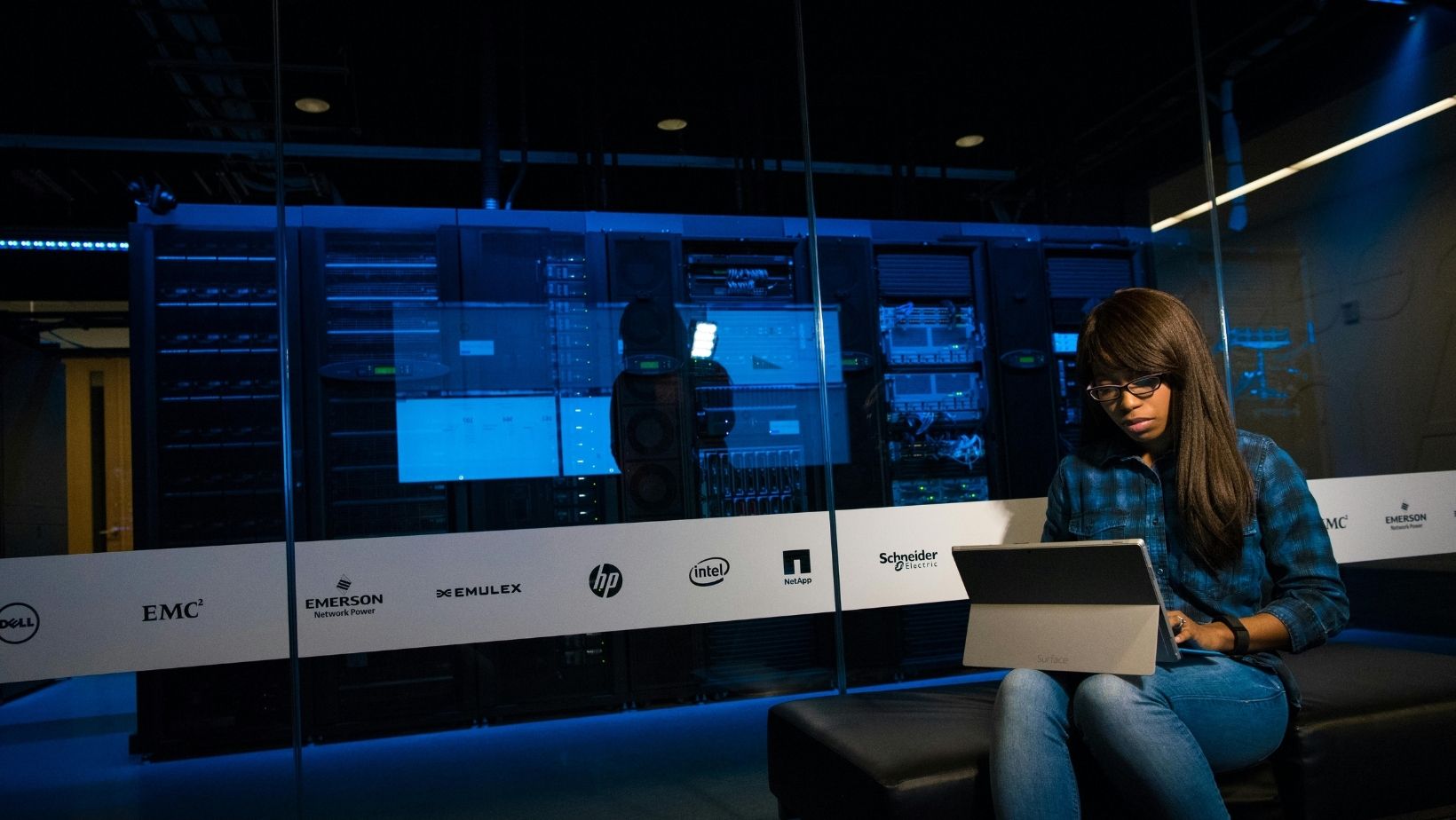
Here’s how that shift shows up in daily operations.
1. Issues Get Addressed Before They Disrupt the Day
Expert IT teams monitor networks continuously, spotting irregularities early.
IBM’s Cost of a Data Breach Report 2023 put the average global breach cost at $4.45 million, but organizations using security automation and continuous monitoring saw significantly lower impacts. Quiet prevention beats loud recovery.
2. Security That Assumes People Are Human
No one clicks a phishing link on purpose. Still—it happens.
Managed IT builds layers that expect mistakes: endpoint protection, access controls, and multi-factor authentication. Cybersecurity Ventures predicts global cybercrime costs will reach $11.9 trillion annually by 2030. At that scale, basic defenses just aren’t enough.
3. Fewer Budget Surprises
Emergency fixes are expensive. And stressful.
Clutch reports that 46% of small businesses outsource IT primarily to control costs. Predictable support makes planning easier. Calmer, too.
4. Technology That Grows Without Fracturing
Growth stresses systems fast. New hires. New tools. New risks.
Deloitte found that companies investing in optimized IT operations are 45% more likely to report improved efficiency. That aligns with reality. Stability creates room to move.
When the Noise Finally Fades
There’s a strange relief in not thinking about IT. No alerts. No delays. No low-level tension buzzing in the background.
Expert IT solutions don’t announce themselves. They settle in. And once the systems hold steady, once work flows without interruption, you start to realize something quietly profound: this is what “normal” was supposed to feel like.