
Quick Answer
Technology trends in 2026 emphasize the integration of renewable energy technology with home automation systems for greater efficiency and resilience. Advancements in smart home innovations include AI-driven controls, Matter-compatible devices, and energy management that optimizes usage. Modern electrical solutions focus on panel upgrades, EV readiness, whole-home surge protection, and bidirectional energy flows to support solar storage and vehicle-to-home capabilities while meeting rising demands from electrification. These changes help homes handle increased loads safely and sustainably.
Introduction
Homeowners face mounting pressure on their electrical systems as everyday loads continue to grow. Electric vehicles require dedicated charging circuits, high-efficiency appliances draw more consistent power, and the addition of multiple smart devices strains older infrastructure designed for simpler needs. In many regions, aging panels struggle to accommodate these demands without risking overloads or frequent breaker trips. Professionals see this shift daily when assessing homes for renovations or additions.
Experienced residential electricians apply Canadian Electrical Code standards to deliver safe, code-compliant work that supports these modern electrical solutions. A qualified Calgary residential electrician brings practical knowledge of local requirements and emerging best practices to every project, helping owners adapt without unnecessary disruptions.
Advancements in Renewable Energy Technology for Residences
Homeowners increasingly turn to renewable energy technology to offset rising utility costs and enhance energy independence. Solar photovoltaic systems paired with battery storage now form the backbone of many residential setups, allowing excess daytime generation to power evening loads or provide backup during outages.
In practice, these systems rely on high-efficiency panels, often exceeding 22 percent conversion rates, combined with lithium-based or emerging sodium-ion batteries that deliver deeper discharge cycles and longer lifespans.
Key Components Driving Efficiency
Several elements make modern installations more effective than previous generations.
- High-efficiency monocrystalline or bifacial panels capture more sunlight across varying angles and weather conditions.
- Integrated inverters convert DC to AC seamlessly while supporting grid-tied or hybrid operations.
- Battery management systems optimize charge and discharge based on real-time usage patterns and forecasts.
- Smart monitoring platforms track production, consumption, and grid interaction through mobile interfaces.
Solar Plus Storage Integration
The combination of rooftop solar with home battery systems addresses intermittency challenges effectively. During peak sunlight hours, surplus energy charges the storage unit instead of feeding back to the grid at low rates. When demand exceeds generation, such as in evenings or cloudy periods, the battery discharges automatically. This setup reduces net metering dependence and improves resilience against power disruptions common in many areas.
Beyond basic pairing, advanced configurations incorporate vehicle-to-home capabilities. Certain electric vehicles serve as additional storage through bidirectional charging, supplying power back to the residence when needed.
Comparison of Common Residential Battery Options
| Battery Model Type | Usable Capacity (kWh) | Round-Trip Efficiency (%) | Expected Lifespan (Cycles) | Key Advantage |
| Lithium Iron Phosphate | 10 to 15 | 90 to 95 | 6000+ | Superior safety and thermal stability |
| Nickel Manganese Cobalt | 13 to 14 | 88 to 92 | 4000 to 5000 | Higher energy density for compact spaces |
| Emerging Sodium-Ion | 8 to 12 | 85 to 90 | 5000+ | Lower material costs and abundant resources |
These options reflect current industry standards, with lithium iron phosphate gaining preference for residential applications due to its balance of performance and safety.
Smart Home Innovations and Home Automation Systems
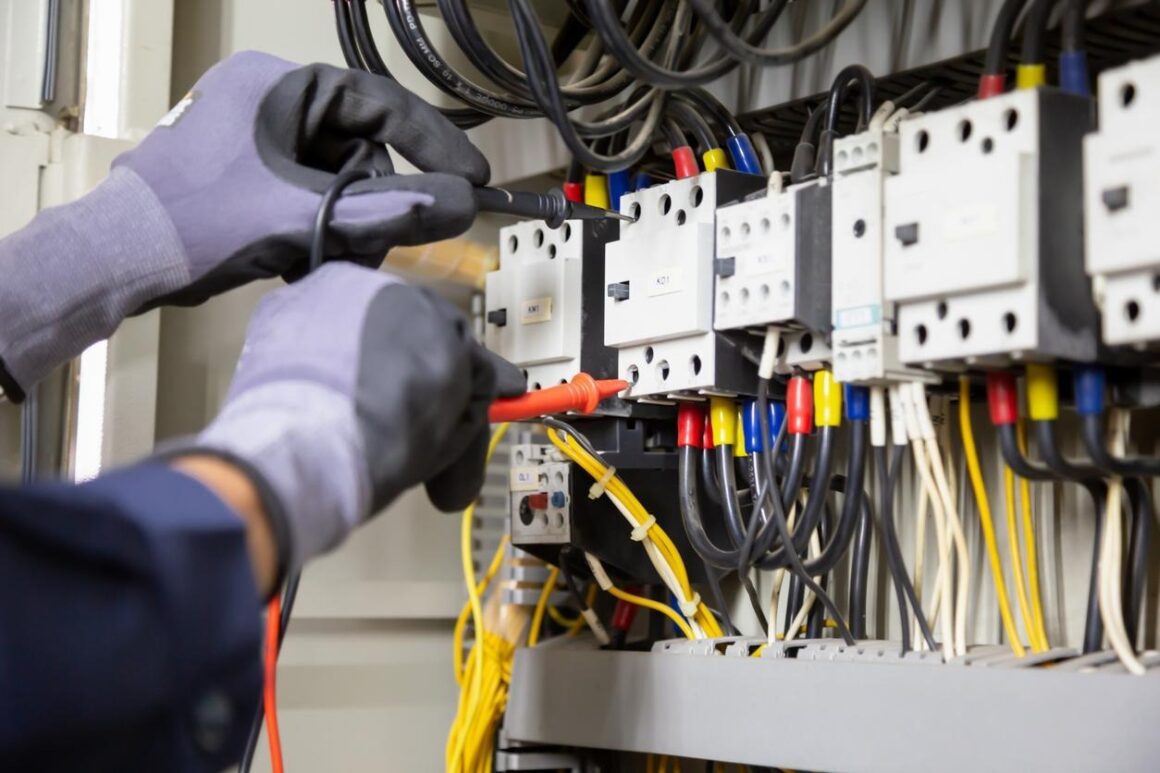
Home automation systems continue to evolve rapidly, shifting from basic remote control to predictive, context-aware environments that anticipate occupant needs. The widespread adoption of the Matter standard has simplified interoperability, allowing devices from different manufacturers to communicate seamlessly on local networks without constant cloud reliance.
Core Technologies Shaping 2026
Several advancements stand out in current deployments.
- Matter-compatible hubs serve as central controllers, supporting Thread for low-power mesh networking and Wi-Fi for higher-bandwidth devices.
- Presence sensors using mmWave radar detect occupancy with precision, enabling automatic adjustments to lighting, temperature, and security without voice commands or apps.
- AI-driven platforms process local data to learn routines, such as adjusting HVAC based on time of day, weather forecasts, and historical patterns.
- Energy-aware appliances coordinate with the home system to shift usage during off-peak hours or when solar production peaks.
Predictive Automation in Practice
Systems now integrate occupancy data with external inputs like local weather services to pre-condition spaces, for example, warming rooms ahead of arrival during cold mornings. Security cameras employ on-device object recognition to distinguish between familiar faces, pets, and potential threats, reducing false notifications while maintaining privacy through local processing.
The integration extends to whole-home coordination. Lighting scenes activate based on time and activity, while home automation systems balance loads to prevent circuit overloads during simultaneous high-draw events such as cooking and EV charging. This level of orchestration improves comfort and contributes to lower energy bills without sacrificing convenience.
Essential Features for Effective Implementation
| Feature | Benefit | Compatibility Notes | Typical Power Impact |
| Matter Certification | Universal device control across platforms | Works with major ecosystems including Apple Home, Google Home, Amazon Alexa | Minimal added draw |
| Local AI Processing | Faster responses, enhanced privacy | On-device computation for cameras and sensors | Low, avoids constant cloud uploads |
| Presence Detection (mmWave) | Accurate occupancy without cameras | Non-intrusive, functions in the dark or through walls | Very low continuous usage |
| Thread Mesh Networking | Extended range, reliable low-power links | Ideal for sensors and locks | Battery-friendly for years |
Beyond individual devices, the emphasis lies on creating cohesive ecosystems that adapt intelligently while respecting energy constraints and privacy expectations in residential settings.
Implementing Modern Electrical Solutions for Long-Term Performance
Residential electrical demands continue to intensify with widespread electrification of heating, transportation, and appliances. Older systems often fall short when accommodating these loads, leading to safety concerns, inefficiency, and costly retrofits. Modern electrical solutions address this through strategic upgrades that prioritize capacity, protection, and adaptability.
Panel Upgrades and Load Management
The electrical panel serves as the central hub for power distribution in any home. Contemporary installations favour 200-amp or higher service panels with space for additional circuits dedicated to high-demand equipment. Smart panels equipped with digital monitoring allow real-time tracking of individual branch loads, enabling automatic load shedding during peak usage or grid constraints.
EV Readiness and Surge Protection
Electric vehicle adoption drives the need for dedicated Level 2 charging circuits rated at 40 to 50 amps. Proper planning includes conduit runs that support future bidirectional charging, where vehicles can supply power back to the home during outages. Whole-home surge protection devices rated for at least 100 kA provide essential defence against lightning strikes and utility transients, safeguarding sensitive electronics and smart devices.
Essential Upgrades for Resilience
- Arc-fault and ground-fault circuit interrupters on appropriate circuits to meet code mandates and reduce fire risks.
- Neutral conductor sizing is adequate for nonlinear loads from LED lighting and electronics.
- Whole-home backup integration with generators or battery systems for seamless power continuity.
- Structured wiring, including Cat6 or higher, for reliable network backhaul to support IoT ecosystems.
On the other hand, professional implementation remains critical to avoid common pitfalls such as improper grounding or inadequate wire sizing. Qualified practitioners apply rigorous inspection protocols and select components tested to industry standards for durability and performance.
Preparing Your Home for Tomorrow’s Electrical Demands
Residential electrical systems face unprecedented change as electrification accelerates across heating, mobility, and daily appliances. The integration of renewable energy technology with smart home innovations creates opportunities for greater efficiency, reduced utility dependence, and enhanced reliability during disruptions.
Upgraded panels, intelligent load management, and surge-protected circuits form the essential foundation that supports these advancements without compromising safety. The result is a residence that remains comfortable, cost-effective, and resilient as electrical technology trends continue to evolve toward interconnected, sustainable living.