
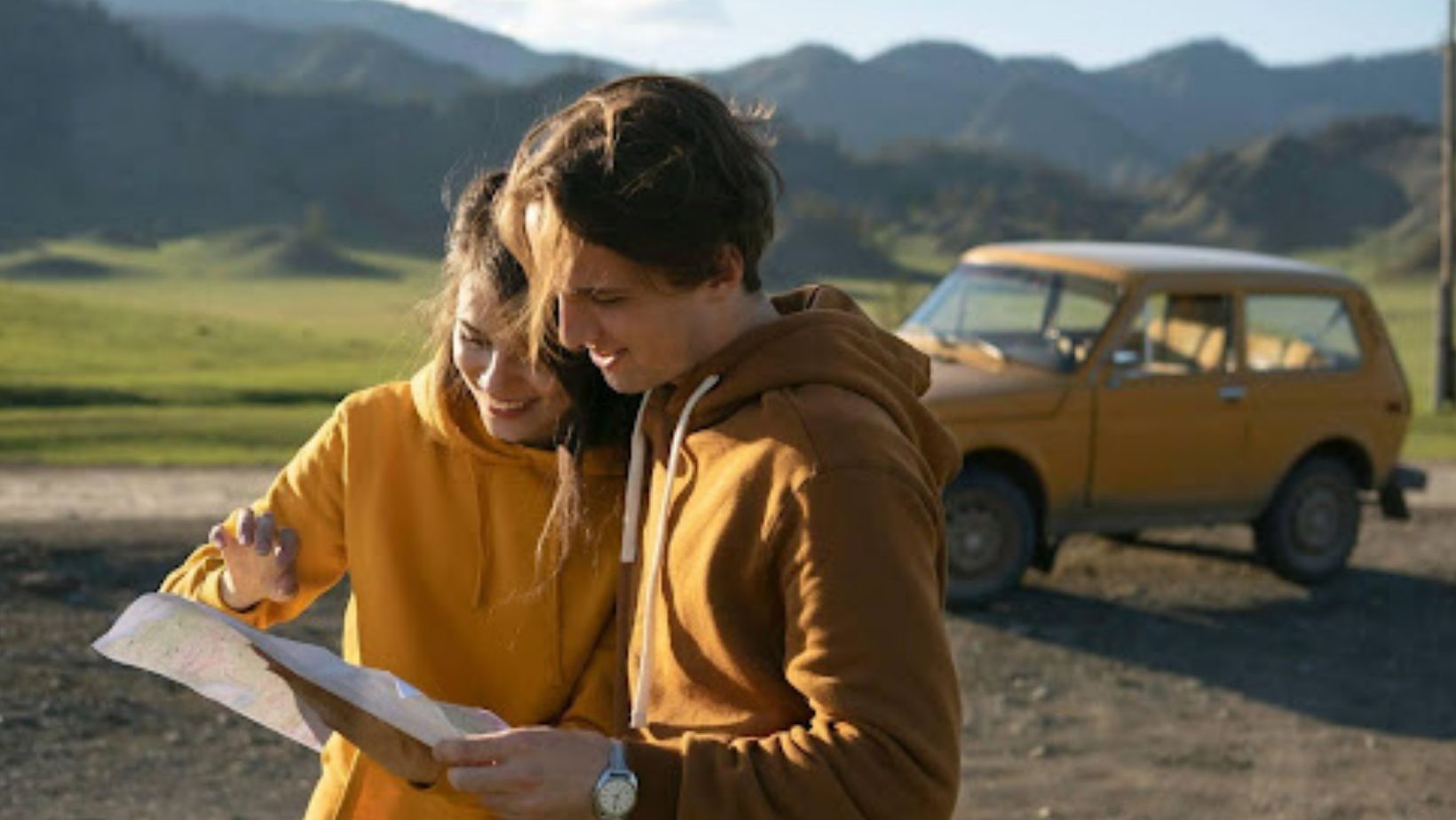

Travel is no longer just about reaching a destination. For modern adventurers, it is about the journey, the experience, and the memories created along the way. Many travelers start with familiar road trips and eventually move toward more ambitious adventures like remote expedition cruises. Combining these styles of travel allows people to explore both familiar and untouched parts of the world while staying safe, comfortable, and prepared. Whether you are a beginner or an experienced traveler, understanding how to plan and enjoy both types of trips can make every adventure more rewarding.
Begin With Road Trips
Road trips are often the first step in modern exploration. They offer freedom, flexibility, and a chance to see destinations at your own pace. Planning a successful road trip requires more than just mapping a route. Travelers should consider safety, comfort, and convenience. Start by choosing your route carefully. Map out key stops, including overnight stays and popular attractions. Use navigation apps to avoid traffic and find unexpected points of interest along the way.
Packing efficiently is also important. Keep essential items such as first aid kits, water, snacks, chargers, and cameras easily accessible. Road trips are an opportunity to practice self-sufficiency and adaptability. Being prepared helps you enjoy the journey without stress. Taking time to document your experiences using a smartphone, camera, or even a travel journal can turn a road trip into lasting memories.
Road trips also teach skills that are useful for more complex travel. Learning how to plan your schedule, manage resources, and stay organized on the road prepares travelers for the challenges of remote expeditions. Simple habits like checking weather conditions and keeping emergency contacts available can make a big difference when traveling farther from home.
Transitioning to Expedition Cruises
Once you are comfortable with road trips, expedition cruises open the door to destinations that are otherwise difficult to reach. Antarctica cruises, for example, allow travelers to explore remote polar landscapes, towering glaciers, and unique wildlife in a way that few other trips can offer. Unlike traditional cruises, these expedition journeys are smaller, more specialized, and focused on adventure and discovery rather than entertainment.
Choosing the right cruise is essential. Look for ships with modern navigation systems, small-group exploration tools, and onboard experts. Many expedition cruises include lectures, workshops, and guided excursions. These opportunities provide insight into local ecosystems, wildlife, and history, creating a richer and more educational experience.
Packing for an expedition cruise requires preparation. Weather can change quickly, especially in polar or tropical regions. Layered clothing, waterproof gear, and comfortable footwear are important. Technology can also enhance the experience. Portable chargers, GPS trackers, and devices that allow offline navigation help travelers stay connected while exploring areas with limited connectivity.
Benefits of Combining Road Trips and Cruises
Combining road trips with expedition cruises allows travelers to maximize both flexibility and adventure. Driving to a port city before boarding a cruise offers the chance to see local attractions that might be missed on a plane. This approach gives travelers more control over their schedules, routes, and experiences.

Road trips also prepare travelers for expedition cruises by building skills in planning, navigation, and adaptability. Understanding how to handle unexpected changes on the road helps manage challenges during remote adventures. This combination creates a balance between comfort and discovery, allowing travelers to enjoy both familiar and new environments.
Additionally, combining these forms of travel allows for deeper engagement with destinations. Road trips provide the opportunity to explore communities, local cuisine, and scenic landscapes. Expedition cruises offer access to untouched ecosystems, rare wildlife, and natural wonders. Together, they create a full travel experience that combines education, adventure, and personal growth.
Using Technology to Enhance Your Trip
Technology plays a significant role in modern travel. Navigation apps, weather alerts, and travel planning tools make road trips and expedition cruises easier to manage. Even in remote locations, portable technology can enhance safety and convenience. Solar chargers, satellite communication devices, and offline maps ensure that travelers stay connected and informed.
Many expedition cruise ships also provide internet access and onboard technology for learning and communication. Travelers can use these tools to document their experiences, stay in touch with family, and access information about destinations. Using technology wisely allows adventurers to focus on exploration rather than logistical challenges.
Planning for Safety and Comfort
Safety and comfort are priorities for all travelers. On road trips, this includes maintaining your vehicle, carrying emergency supplies, and knowing local traffic laws. Having extended car warranty coverage can also provide peace of mind by protecting against unexpected repairs, ensuring your journey stays on track without costly interruptions. On expedition cruises, safety depends on following the guidance of crew and experts, preparing for changing conditions, and understanding the risks associated with remote travel.
Comfort is equally important. Travelers should choose accommodations, vehicles, and ships that support rest, nutrition, and overall well-being. Planning meals, scheduling downtime, and maintaining routines help ensure energy and focus throughout the journey. Small steps like keeping water, snacks, and first aid accessible can improve the experience significantly.
Experiencing the World Differently
One of the most rewarding aspects of combining road trips with expedition cruises is the opportunity to experience the world in new ways. Road trips allow travelers to connect with local cultures, landscapes, and people. Expedition cruises take adventurers to remote areas where wildlife, geology, and ecosystems can be observed up close.
For example, travelers who drive along scenic coastal routes before embarking on an Antarctic cruise can see the contrast between human settlements and untouched wilderness. In the Galapagos Islands, combining a road trip on nearby islands with a cruise allows for a deeper understanding of the unique environment and biodiversity.
Making the Most of Every Adventure
Modern adventurers seek experiences that are meaningful, engaging, and memorable. By combining road trips with remote expedition cruises, travelers can explore a wide range of environments and cultures. Careful planning, preparation, and the use of technology ensure that each journey is safe, comfortable, and enriching.
Start small with road trips to learn planning and organization skills. Progress to expedition cruises to explore remote and extraordinary locations. Use technology and practical travel tools to stay prepared and connected. Document your experiences and take time to reflect on what you learn. This approach transforms every trip into an adventure that goes beyond the typical tourist experience.
Final Thoughts
Travel today offers opportunities that go far beyond traditional vacations. By combining road trips with remote expedition cruises, modern adventurers can enjoy the freedom of the open road while accessing some of the world’s most remote destinations. Planning, preparation, and thoughtful use of technology make these journeys smoother and more rewarding.
Road trips and expedition cruises complement each other perfectly. Road trips build confidence, flexibility, and organizational skills. Expedition cruises allow travelers to explore areas that are difficult to reach and learn about natural ecosystems, wildlife, and local cultures. Together, these experiences create a travel journey that is diverse, enriching, and unforgettable.
For modern adventurers, the key is to approach travel with curiosity, preparation, and a sense of discovery. Whether navigating winding roads or observing glaciers and wildlife, each step of the journey contributes to personal growth, adventure, and lasting memories.