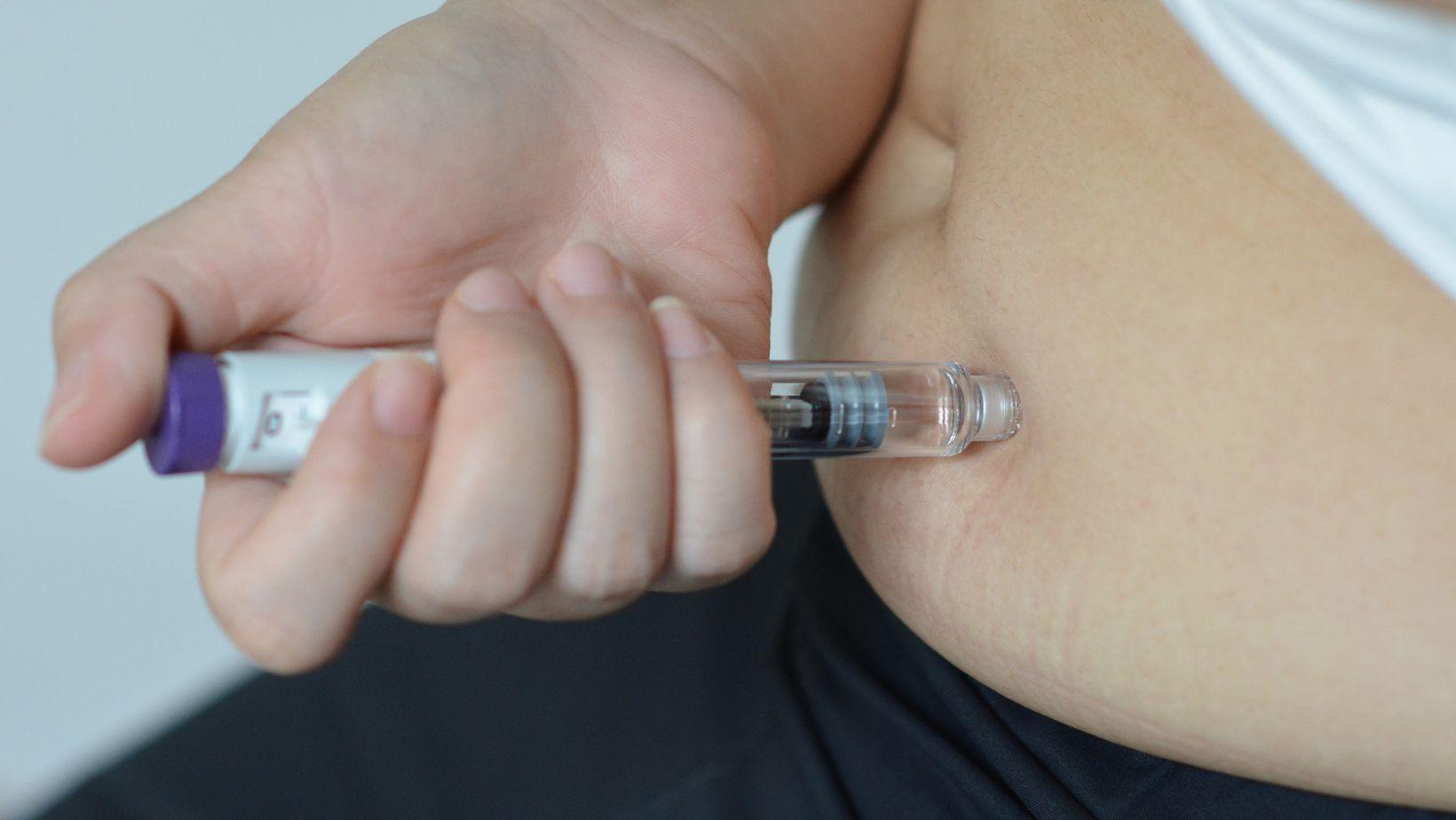

Starting a GLP-1 medication such as semaglutide or tirzepatide changes your relationship with food almost immediately. Appetite drops, cravings quiet down, and the constant “food noise” that drives between-meal snacking tends to fade. That shift is the point of the medication, but it also creates a new challenge: when you are eating far less, every bite has to work harder. The goal stops being “eat less” and becomes “eat well on less.”
This guide walks through how to build an eating pattern that supports your treatment, protects your muscle, and keeps common side effects in check. None of it is a substitute for the advice of the clinician managing your care, but it reflects the consistent guidance coming from registered dietitians, obesity-medicine physicians, and recent research.
Table of Contents
ToggleHow GLP-1 Medications Change the Way You Eat
GLP-1 receptor agonists mimic a hormone your gut releases after meals. They slow the rate at which your stomach empties, increase feelings of fullness, and reduce appetite signals in the brain. Research summarized by health systems and journals indicates that people on these medications often consume roughly 16 to 39 percent fewer calories than before treatment.
Two practical consequences follow. First, you will feel full faster and stay full longer, so large plates and second helpings usually become uncomfortable. Second, because total intake falls, it is easy to under-eat protein and fiber without noticing. The nutrition strategy below is built around that reality.
Why Protein Becomes the Priority
When you lose weight quickly, some of that loss comes from lean tissue, not just fat. A 2025 review of GLP-1 receptor agonists noted that in the landmark STEP 1 semaglutide trial, roughly 30 percent of the weight lost came from lean tissue, and that a meaningful share of total weight loss can be fat-free mass. Mayo Clinic’s educational guidance puts the typical range at about 25 to 40 percent of total weight loss coming from lean mass, and stresses that this pattern is not unique to GLP-1s; it accompanies most substantial weight loss.
Protein is the single most important lever you control to blunt that effect. Higher protein intake, paired with resistance exercise, gives your body the raw material and the stimulus to hold onto muscle while fat comes off.
How Much Protein Per Day
Mayo Clinic notes that many experts recommend about 1.2 to 1.6 grams of protein per kilogram of body weight per day for people actively losing weight, well above the standard 0.8 g/kg baseline. Some nutrition specialists push toward 1.6 to 2.0 g/kg when appetite is very low or weight loss is rapid. A simpler way to think about it: aim for roughly 25 to 40 grams of protein at each meal, and treat protein as the first thing you put on the plate rather than an afterthought.
Best Protein Sources When Appetite Is Low
When you can only manage a few bites, those bites should be protein-dense and easy to tolerate. Strong options include eggs, Greek yogurt, cottage cheese, fish, poultry, tofu, and lean meats. On harder days, liquid and soft sources such as protein shakes, broth-based soups, and bone broth (about 10 grams of protein per cup) help you hit your target without forcing down a full meal.
Fiber: Go Slow and Steady
Fiber supports digestion, steadies blood sugar, and helps with the constipation many people experience on these medications. General adult targets land around 25 to 38 grams per day. The catch is timing: because GLP-1s slow gastric emptying, loading up on fiber all at once can worsen bloating and nausea. Increase it gradually, and lean on gentle sources such as oats, beans, lentils, chia, berries, and cooked vegetables rather than a sudden pile of raw produce.
Hydration Matters More Than You Think
Reduced food intake usually means reduced fluid intake, and dehydration quietly amplifies fatigue, headaches, and constipation. Dietitian guidance commonly suggests at least 64 ounces of water a day, with some clinicians recommending closer to 8 to 12 cups depending on body size and activity. A reliable rule: whenever you increase fiber, increase fluids alongside it. Sip steadily through the day rather than trying to catch up in the evening.
Eating Through Nausea
Nausea is the most common reason people struggle with food early in treatment or after a dose increase. Diet adjustments help more than most expect:
- Eat smaller, more frequent meals instead of three large ones.
- Favor bland, lower-fat, lower-odor foods when nausea is active; high-fat meals sit heavily because digestion is already slowed.
- Stop eating before you feel completely full, since overfilling a slow-emptying stomach is a common trigger.
- Keep easy-to-tolerate, protein-dense staples on hand, such as yogurt, eggs, tuna, and broth-based soups.
Managing Constipation With Food
Slowed digestion plus lower food volume often leads to constipation. The dietary fix mirrors the fiber advice above: raise fiber gradually and pair it with more fluids, rather than fiber alone. Foods that tend to help include berries, kiwi, pears, prunes, beans, lentils, oats, flax, and whole grains. If high-fiber foods worsen bloating, shift temporarily toward cooked vegetables, soups, and smoothies before working back up to raw, high-fiber options.
Foods to Prioritize vs. Foods to Limit
|
Prioritize |
Limit |
|
Lean protein at every meal |
Very large or heavy meals |
|
Protein-rich snacks when intake is low |
Fried and very high-fat foods |
|
Cooked vegetables, fruit, beans, oats, whole grains |
Greasy, deep-fried, processed foods |
|
Water and other non-sugary fluids |
Sugary drinks, soda, and alcohol |
|
Bland, easy-to-digest foods during nausea |
Strongly flavored foods that trigger symptoms |
This pattern is the common thread across guidance from medical institutions: emphasize nutrient-dense, protein-forward meals that preserve lean mass and stay gentle on a slower digestive system.
Meal Timing and Portion Strategies
Because appetite often drops as the day goes on, front-load your nutrition. Putting a larger share of your protein earlier in the day protects your daily total when evening hunger disappears. Smaller meals every three to four hours can be easier to manage than three full plates. On days when nausea peaks, plan your most tolerable foods and lean on liquid or soft protein. Above all, avoid “saving calories” so aggressively that your protein falls too low, because chronically low intake is one of the main reasons muscle loss accelerates during treatment.
Pairing Nutrition With Movement
Diet does the heavy lifting for muscle preservation, but exercise is its essential partner. General activity guidance points to about 150 minutes of moderate aerobic activity per week, plus strength training at least two to three times weekly. Resistance work signals your body to keep the muscle that adequate protein is there to protect. The research field is moving quickly here; a 2026 Stanford report described a compound in development aimed at helping rebuild muscle during GLP-1 weight loss, a sign that muscle preservation is now a central focus rather than an afterthought.
Where a Structured Program Fits In
Nutrition is far easier to sustain when medication, monitoring, and support sit in one place. Programs such as TrimRX, an online weight-loss program built around GLP-1 medication, are designed so that treatment and ongoing guidance work together rather than leaving patients to navigate the dietary side on their own. Whatever path you choose, the medication works best when paired with a deliberate eating plan and regular check-ins with the clinician overseeing your care.
The Bottom Line
Eating well on a GLP-1 medication comes down to a short list of habits: protein first, fiber raised slowly, fluids kept steady, smaller and gentler meals, and movement that protects muscle. Because everyone’s tolerance, goals, and medical history differ, use this as a starting framework and personalize the specifics with your healthcare provider or a registered dietitian, especially when adjusting doses or managing persistent side effects.
This article is for educational purposes only and is not medical advice. Talk to your healthcare provider before making changes to your diet, medication, or exercise routine.