
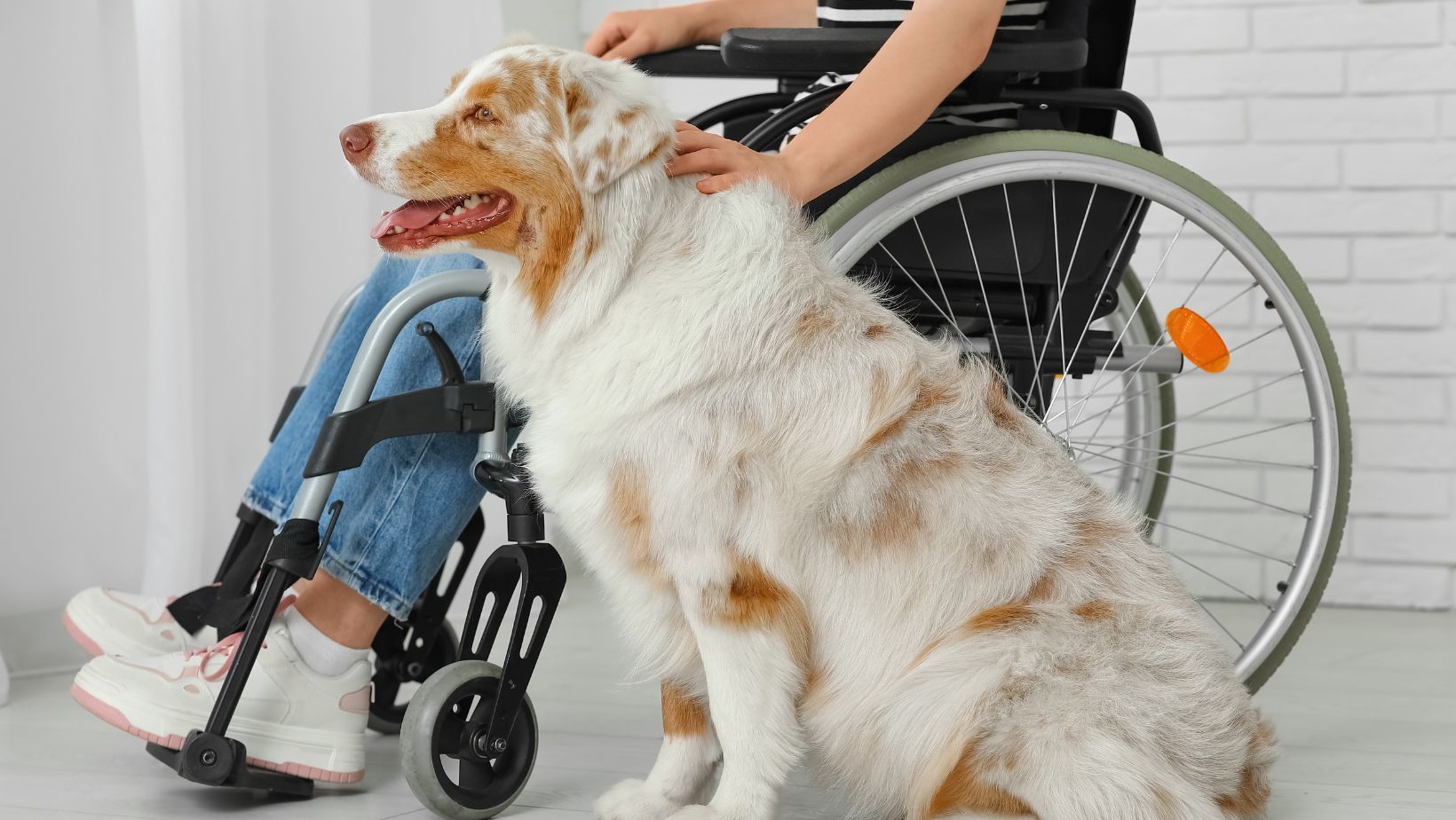

Anxiety is one of the most common mental health conditions that affects millions of individuals in the United States alone. While there are various treatment options for anxiety, service dogs are becoming an attractive choice for many. These dogs don’t eliminate anxiety altogether, but provide assistance and a sense of independence and comfort to their handlers with anxiety by performing specific tasks.
If you’re wondering how a service dog for anxiety can help their handlers, we’re here to cover everything you need to know. Continue reading to learn about common service dog for anxiety tasks, how you can get a service dog for anxiety, and how they compare with emotional support animals.
Tasks a Service Dog for Anxiety Can Do
Anxiety is one of the most common qualifying disabilities for a service dog; more specifically, for a psychiatric service dog. A service dog that’s trained to help an individual with a mental or emotional disability is referred to as a psychiatric service dog, also known as a PSD.
A psychiatric service dog can carry out a wide range of tasks to help its handler with anxiety. Here are some of the most common tasks a service dog for anxiety can do for their handlers.
Interrupt Anxiety Attacks
A service dog for anxiety can be trained to recognize an anxiety attack and interrupt the handler by nudging, pawing, or applying pressure at the onset of an episode to bring their attention to the present. Because this is highly effective in bringing someone prone to having anxiety attacks to the present moment, it is one of the most common ways service dogs for anxiety help their handlers.
Deep Pressure Therapy
Service dogs for anxiety can identify heightened levels of anxiety and apply steady pressure using their weight on the handler’s lap, legs, or chest. The service dog can also be learned to maintain contact until the handler’s breathing goes back to normal or they pick up other signs that the handler no longer needs it. This is known as deep pressure therapy, which can ease anxiety, panic attacks, and emotional overload.
Exit Guidance
Some people can find anxiety to be immobilizing, especially those who have severe social anxiety. In case the handler becomes immobilized and cannot find their way to an exit, a service dog for anxiety can lead the handler to the exit by navigating out of crowds. Service dogs for anxiety can accomplish this by identifying a safe exit and gently pulling on the leash until the owner is safe.
Remind Medication
Although reminding the handler to take medication isn’t only specific to service dogs for anxiety, it is a big part of what these dogs do, given that many individuals suffering from anxiety take prescription drugs. A service dog for anxiety can alert the owner at scheduled times to take their medication. Some can even be trained to bring medication and engage in behaviors until the handler takes their medication.
How to Get a Service Dog for Anxiety?
If you think that a service dog for anxiety is a good option for you or a loved one, there are several ways to obtain one of these dogs. You can buy a psychiatric service dog that’s trained for anxiety-related tasks or hire a professional dog trainer to train your dog to become your service dog for anxiety.
However, these options can be very expensive. A fully trained service dog for anxiety can cost up to $25,000. If you choose to hire a trainer to train your dog, the cost can also add up to more than $5,000 over time. There’s also the suitability of your dog for this type of training, depending on the service dog tasks you need for anxiety.
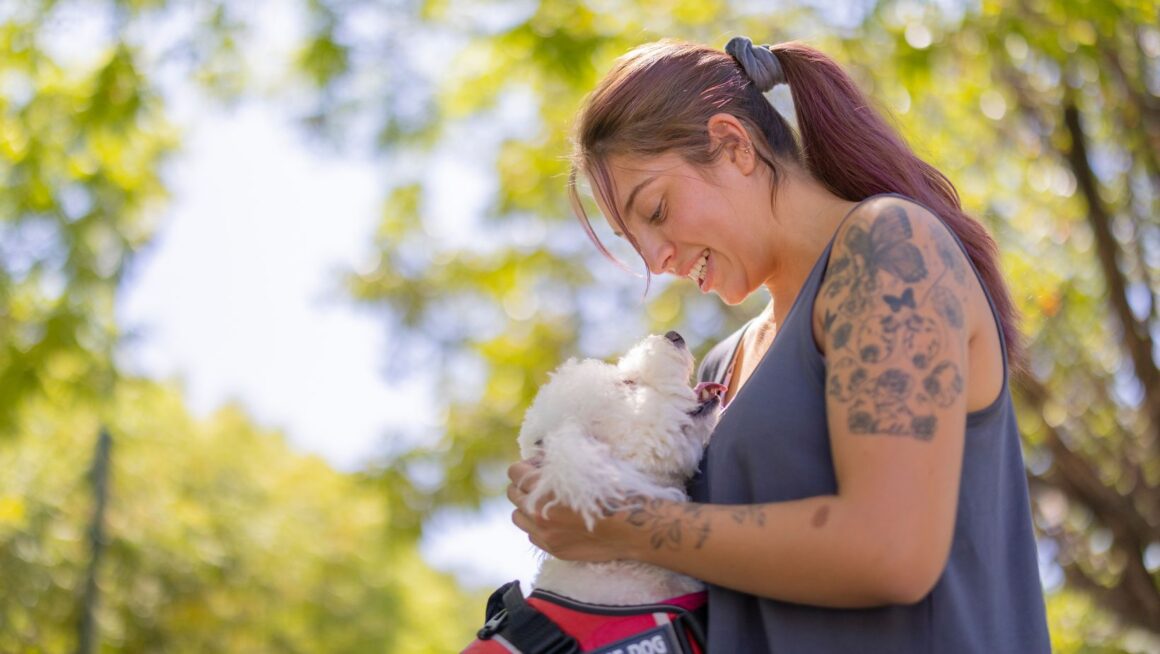
You can also train your own service dog for anxiety by obtaining training materials and practicing commands in public to reinforce behaviors. Just be sure to use training materials from reputable organizations to ensure there are no hiccups in training.
Emotional Support Dog vs. Service Dog for Anxiety
Before wrapping up everything, keep in mind that emotional support dogs and service dogs aren’t the same. An emotional support dog is an emotional support animal that’s recommended to an individual with anxiety by a therapist or another mental health professional. These dogs don’t have any training requirements and don’t perform anxiety-related tasks. They provide therapeutic benefits through their companionship.
While you can have both, it is best to consult a mental health professional to decide which one suits you the best. They can guide you in the right direction after evaluating your symptoms and life circumstances.