
Energy plays a bigger role in efficiency than ever before. But with so many moving parts, you may wonder how companies can stay efficient and competitive in an unpredictable energy landscape.
The challenge for many business leaders is dealing with unpredictable energy prices and fluctuating utility bills. On top of that, the wholesale energy market is influenced by global events that can lead to supply shortages.
Enter commercial energy solutions. They offer smarter, cleaner, and more cost-effective ways to power industrial operations. Here’s how enterprises can build systems that respond intelligently to their daily energy needs.
Smarter Energy Strategies That Improve Efficiency
Commercial energy solutions help you build efficiency in several ways, starting with better visibility and control. Strong energy management platforms help you understand your energy consumption. These systems track usage throughout the day, so you can adjust equipment schedules, reduce waste, and cut back during peak pricing periods.
Another major benefit comes from combining different energy solution tools. When you integrate renewable energy, onsite generation, and storage systems, you gain more flexibility, even in an unpredictable energy industry. This approach enhances energy resilience by providing alternative power sources that are less susceptible to sudden changes in energy prices or fuel availability.
When you strengthen your energy procurement process, you increase your purchasing power, allowing you to secure competitive rates that align with your broader energy plan. Commercial electricity products, such as solar panels, smart controls, and backup systems, also make your facility more energy efficient.
The Role of Solar and Onsite Power in Cutting Costs and Boosting Stability
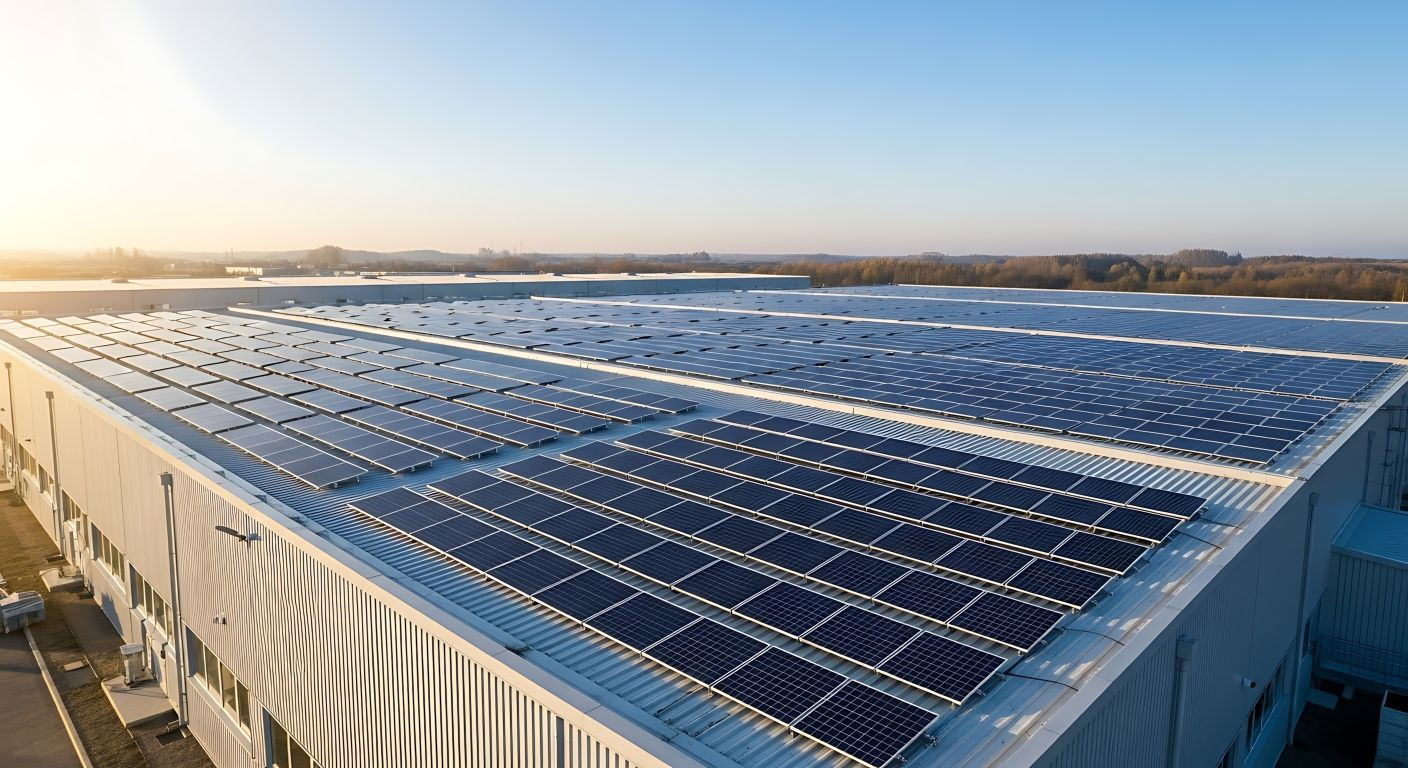
Renewable energy has become a major driver of efficiency for businesses. Utilizing solar energy for commercial business reduces your dependence on utility grids and protects you from volatile pricing. Once installed, it can shield you from the rising cost of traditional fuels like natural gas, allowing your business to focus on long-term growth instead of cost spikes.
On-site commercial solar energy systems also support sustainable practices by allowing you to rely on local generation rather than distant power plants. They operate with the help of durable solar inverters, surge protection technology, and grid relay components that meet strict utility requirements. The combination strengthens your company’s compliance and reduces operational risks.
Solar installation also plays a role in meeting renewable energy goals, allowing businesses to transition smoothly to cleaner, greener paths. Solar becomes even more powerful when combined with energy storage systems, giving you stored energy during outages, grid shortages, or peak demand hours.
Advanced Tools Making Businesses More Reliable and Efficient
Long-term efficiency also depends on technology that keeps your operations stable. Tools like real-time intelligent monitoring allow you to detect equipment problems instantly, respond to energy spikes, and prevent downtime.
Adopting battery storage systems lets you save excess solar for later use. With a hybrid inverter that switches between sources, your system remains stable even when the grid becomes unreliable. These upgrades provide robust outage protection, enabling your business to continue operating during power outages or periods of high demand.
In facilities with higher power needs, various types of industrial power generation equipment provide backup and supplemental strength for critical applications. They’re particularly helpful for businesses requiring continuous uptime. These systems also complement electric vehicle charging setups, making your site more future-ready.
Integrated Approaches That Shape the Future of Efficiency
The most successful businesses are those that combine various energy strategies into a cohesive plan. As companies adapt to energy deregulation and shifting energy regulation policies, having flexible and reliable tools will help them stay protected despite geopolitical uncertainty or supply pressures.
Here’s how integrated systems strengthen your long-term growth:
- Better control over costs and operations: With multiple energy sources, smarter monitoring, and stable backup systems, you reduce your risk of unexpected expenses.
- Stronger planning and long-term stability: Integrated setups help you manage market uncertainty and maintain predictable budgets, even when global events impact supply or pricing.
These approaches ensure that your facilities stay powered, productive, and prepared, regardless of what happens in the broader energy market.
The Rapid Rise of Solar and What It Means for Businesses
In the United States, solar power generation is expected to rise 75% this year compared to two years ago, reaching 286 billion kilowatt-hours (kWh) from 163 billion kWh. This significant jump demonstrates the rapid adoption of renewable energy as a mainstream choice for businesses nationwide.
For your business, this rising adoption means better technology, lower installation prices, and access to more experienced installers. As the energy industry continues improving solar design, photovoltaic (PV) projects are becoming easier to implement, offering stronger performance and better energy yield across all types of commercial facilities.
Conclusion
The future of business efficiency depends on how well you manage, generate, and plan your energy use. With these steps, you create an operation that’s more resilient and less affected by market changes.
Commercial energy solutions help you cut costs, strengthen stability, and prepare your company for long-term growth. In the end, embracing these technologies isn’t just about keeping the lights on. It’s about giving your business a cleaner, smarter, and more competitive edge in the years ahead.