
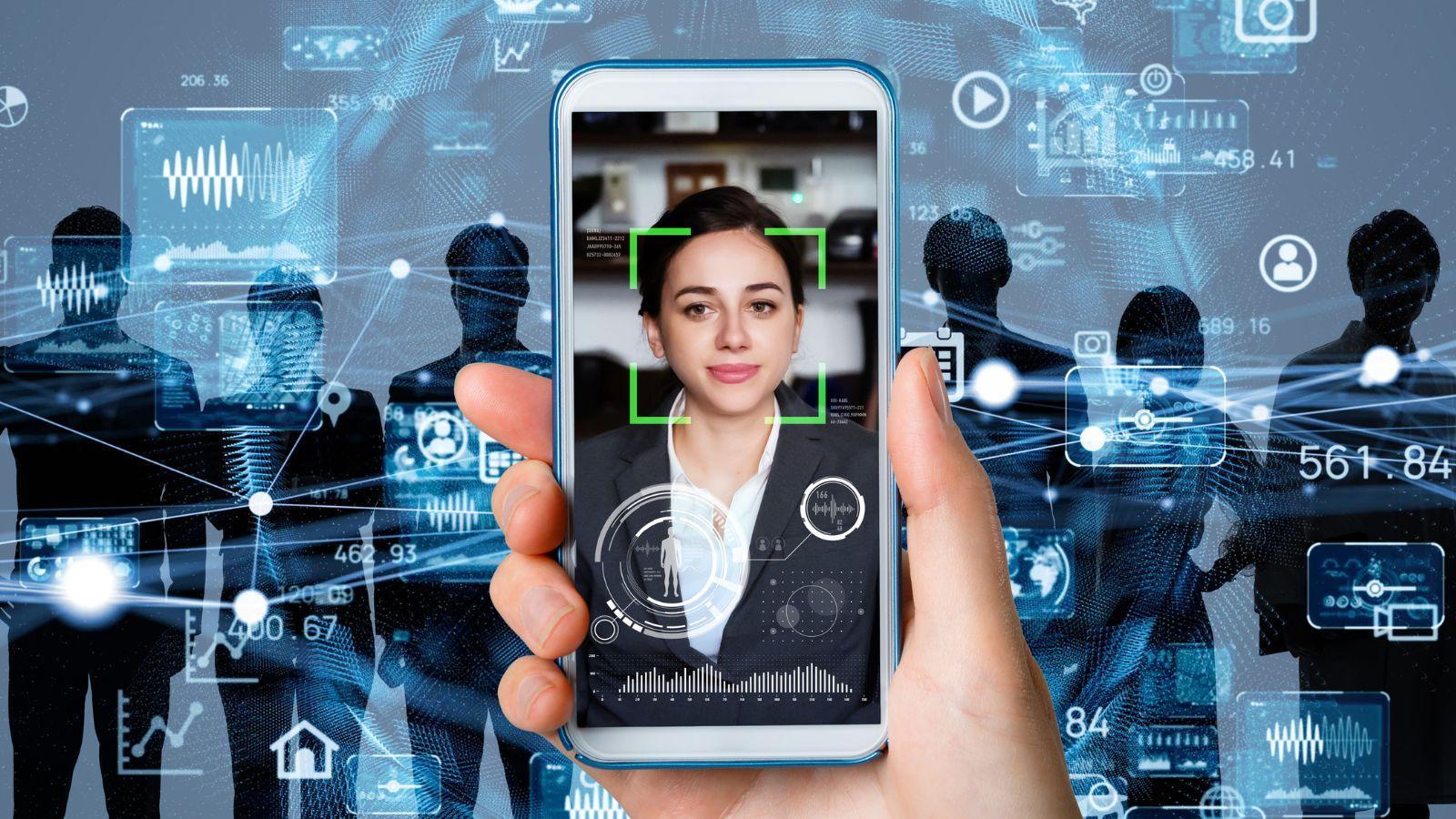

Biometric data is now considered one of the most reliable ways to identify someone. In theory, it should be a near-flawless way to protect a person’s identity. Fingerprints, facial recognition, eyeball scans, and voice verification have promised to make security both stricter and more convenient.
Of course, where there are advancements in security technology, there are advancements in the crimes these technologies are meant to mitigate. One of the most alarming types of modern scams is biometrics-based fraud. Scammers pretend to be health agents or recruiters, convincing people to submit various forms of biometric data that can then be used to take out loans, open accounts, or impersonate the target to complete more complex attacks.
Table of Contents
ToggleWhat Exactly Is Biometric Data?
Biometric data refers to measurable characteristics used to identify individuals based on specific details of their bodies. For instance:
- Fingerprints are unique patterns used to unlock smartphones, laptops, and door locks, as well as identify suspects in criminal investigations.
- Facial recognition analyses facial geometry through cameras or apps to identify individuals at border crossings, unlock devices, or verify online account access.
- Iris scans use highly precise scanning technology to analyse eye patterns. They are typically employed in high-security corporate or government facilities.
- Voice recognition analyses distinct vocal characteristics for banking authentication or virtual assistant commands.
Biometrics strengthen security while improving user experience by reducing the need to remember and input complex passwords.
How Criminals Can Exploit Facial Biometrics
Unlike passwords or PINs, biometric data cannot be easily changed or reset. Once compromised, your fingerprints, facial geometry, or voice patterns remain vulnerable indefinitely. For that reason, biometric information is incredibly useful for criminals. Not only can access to biometric data be used for identity theft, fraud, blackmail, extortion, and deepfake or voice cloning scams, but it also has the potential to be used long-term.
Criminals are finding increasingly sophisticated ways to steal biometric data. They may pose as health agents requesting a “quick scan” for insurance purposes, or recruiters conducting “video interviews” that include facial verification. The aim is to collect high-quality biometric data without raising suspicion, which can then be used for further fraud, scams, theft, or other illegal action.
How to Protect Yourself
Small changes to how you handle your biometric data can make a big impact on how easily fraud-based criminals can target you.
- Always verify requests for biometric data. Legitimate health agencies and recruiters will not ask for off-the-cuff facial scans. Take the time to double-check the identity of anyone requesting biometric data through official channels.
- Use secure devices and apps. If a device uses biometric data, buy it from a well-known developer. Do not reach for dupes or copycats, even if they seem significantly cheaper.
- Turn on multi-factor authentication (MFA). It’s always a good idea to combine several ways to authenticate yourself. Instead of using biometrics alone, use additional checks like passwords or verification codes — just in case.
- Make sure your software is updated. Updates are essential for patching vulnerabilities that are widely targeted by cybercriminals. Turn on automatic updates that install as you sleep to streamline the process.
- Use a VPN. A VPN encrypts online traffic, which is especially important when submitting sensitive documents online or attending remote interviews. You can get a free VPN download from the official website of any top provider, but be sure to sign up for a reputable, paid plan to ensure your data is actually secure.
- Invest in security software. Look for reputable services that protect devices against various forms of malware, including those that target biometric data.
- Don’t share carelessly on social media. Learn which apps or filters collect facial recognition data and avoid them entirely.
- Monitor your accounts carefully. Check for suspicious activity, unauthorised transactions, or messages you didn’t send.
- Consider data removal services. These services help protect your personal information by identifying and removing your data from public websites and online databases, reducing the risk of identity theft and giving you control over your digital footprint. Understanding what is the best identity theft protection can also help you choose the right tools and services to keep your personal information secure.
The Fine Line Between Convenience and Risk
Biometric security is undeniably convenient. It removes the necessity to remember multiple passwords and unlocks devices quickly. At the same time, the very qualities that make it convenient also make it dangerous in the wrong hands.
While tech companies and governments do what they can, individuals must take personal responsibility for managing their biometric data. The best defence is to stay informed about the latest trends and scams and remain vigilant about the possibility of a stranger requesting your biometric information. Context is everything.