

Keeping a mobile home comfortable without draining your wallet can feel like a constant battle. The good news is that a few targeted upgrades and habits can shrink bills and boost comfort fast.
Below are six practical moves you can make. Each one focuses on fixes that return value, work in older homes, and do not require a full remodel.
Seal The Envelope
Start with air leaks, since gaps undo the benefits of any other upgrade. Common leak points include window frames, door thresholds, plumbing penetrations, and the marriage line in multi-section homes. A weekend with a caulk gun and weatherstripping can make a big difference.
Use low-expansion foam or backer rod for larger cracks, and add fresh door sweeps where light shows under the door. In vented skirting, balance airflow with pest-proof vents so moisture escapes while drafts stay down. Small materials – tape, foam, gaskets – deliver outsized results.
Plan a smoke-pencil or incense stick test on a breezy day. Move slowly around seams and outlets to spot movement, then mark each leak for sealing. Finish by checking that bath and kitchen fans exhaust outdoors, not into the belly.
Upgrade Windows And Treatments
If window replacement is not in the budget, combine low-cost steps that stack benefits. Interior storm panels or magnetic acrylic inserts add an extra air layer, cutting winter drafts and summer heat gain. Thermal curtains with tight side returns help too.
Exterior shading works surprisingly well. Simple awnings or reflective film can reduce solar gain on west and south exposures, which lowers the load on your AC. In colder months, open blinds on sunny days to welcome free heat, then close them at dusk to hold it in.
Proper flashing and a careful air seal around the frame are as important as the glass itself. Measure twice, and don’t skip the sealant.
Tighten Up The Belly And Skirt
The belly board under many older homes sags or tears, which lets insulation slump and air rush in. Repair rips with compatible tape, then add insulation where voids exist. Keep plumbing lines inside the insulated space to prevent freezing.
Skirting should block wind but allow controlled ventilation. Make sure it has intact access panels for maintenance and pest screens where needed. A wind-tight skirt reduces crawlspace turbulence, which translates to steadier indoor temperatures.
If water collects under the home, improve drainage with gutters, splash blocks, and gentle grading. Dry ground protects the belly and reduces humidity that steals heat in winter and strains cooling in summer.
Tune Or Replace HVAC
Even a good furnace or heat pump wastes energy if ducts leak. Seal accessible joints with mastic, not cloth duct tape, and insulate runs that pass through unconditioned areas. Then swap clogged filters and clear return paths behind interior doors.
Right-sizing matters more in mobile homes because rooms are small and ducts are short. Oversized units short-cycle, waste power, and leave humidity high. A modern high-SEER heat pump paired with smart controls can tighten comfort bands and trim monthly costs.
If you are planning to exit the home soon, weigh ROI against timeline. Sometimes the smartest move is to streamline the mobile home sale process in Palatka FL, if a buyer plans major system upgrades anyway. In that case, focus on low-cost fixes that pass inspections and keep utility bills reasonable in the interim.
Add Targeted Insulation
Start where heat loss and gain are biggest. In many units, the roof cavity is the best payback, since hot air rises in winter and the sun bakes the roof in summer. Blown-in insulation can often be added through limited openings with minimal disruption.
Walls are trickier, but dense-pack methods can help if cavities are accessible. Don’t compress fiberglass batts behind paneling, since crushed insulation loses effectiveness. Aim for consistent coverage rather than chasing high R-values in one spot.
Mind thermal bridges like metal studs, door headers, and rim joists. Thin foam board plus tape can reduce bridging at accessible locations. Even small upgrades – outlet gaskets, insulated switch plates – can smooth cold and hot spots.
Cut Plug Loads And Improve Lighting
Efficiency is not only about the building shell. Old fridges, space heaters, and always-on gadgets quietly add up. Use smart plugs or power strips to schedule or fully turn off electronics when not in use.
Swap incandescent and early CFL bulbs for LEDs, prioritizing high-use fixtures first. Choose warm or neutral color temperatures to keep rooms comfortable without a clinical feel. Good lighting design can let you use fewer fixtures at lower wattage.
In kitchens and baths, add occupancy sensors or countdown timers on exhaust fans. You get the moisture control you need without forgetting fans for hours. Small controls create steady savings without changing your routines.
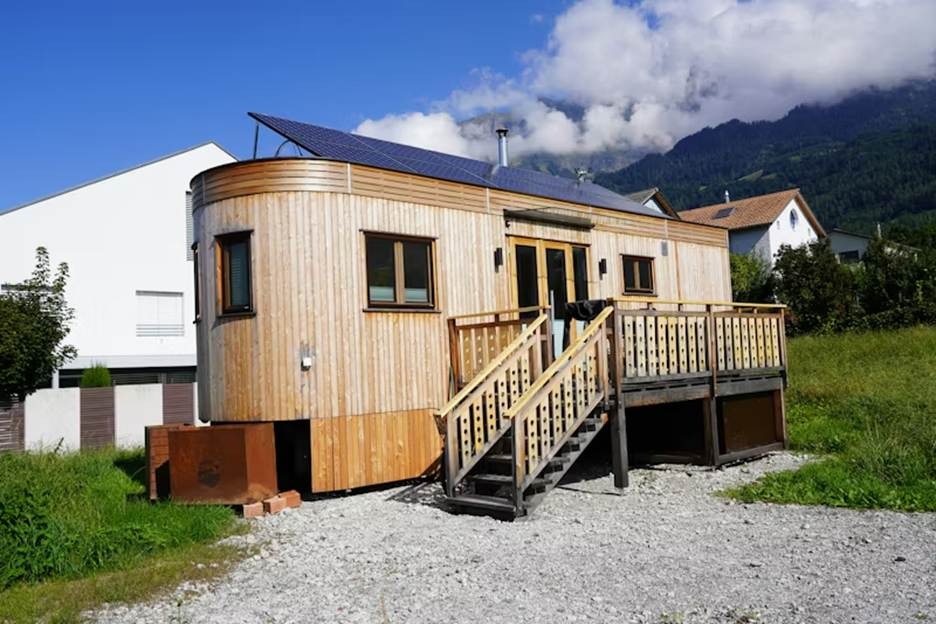
Living in a mobile home should not mean living with temperature swings. With a focus on sealing, shading, insulation, and right-sized equipment, you can chip away at waste from several angles at once.
Pick one or two projects to start, then track bills and comfort as you go. Small wins stack up quickly – and they make the home more pleasant, whether you stay long term or decide to move on.